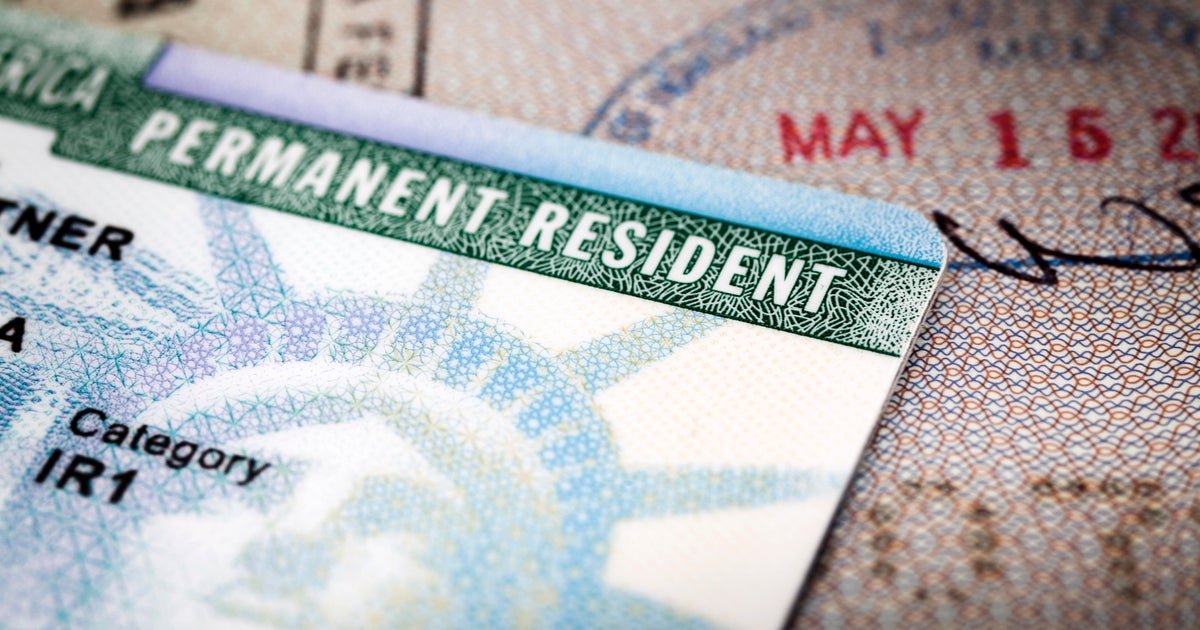
On a crucial Friday that will undoubtedly mark a historic turning point, the Trump administration unleashed a comprehensive immigration policy that significantly reshapes the landscape for immigrants seeking permanent residency in the United States. Under the new directive, obtaining a green card would become a more rigorous and perhaps elusive process, echoing the administration’s ongoing commitment to curtail legal immigration considerably.
The pivot at the heart of this sweeping reform involves the discontinuation of the policy that permitted many immigrants to complete their green card applications while remaining in the U.S. The revised procedure mandates that most applicants return to their countries of origin to embark on the visa process via an American consulate abroad. This procedural upheaval, undoubtedly, complicates the journey to permanent residency and, potentially, citizenship.
According to sources within the U.S. immigration system, including career officials who spoke with CBS News, the ramifications of the new policy memo revealed on Friday are profound. The shift is poised to impact a diverse cohort of non-resident groups—ranging from students and tourists to business visitors, as well as those who entered the U.S with valid documents but overstayed.
For many of these individuals, the requirement to return home to apply for an immigrant visa isn’t just a logistical challenge—it could permanently sever their paths to returning to the U.S. Perhaps most unsettling is the fact that citizens from 39 countries, primarily in Africa and Asia, currently face stringent entry bans or severe restrictions based on a proclamation President Trump signed citing national security concerns. Further complicating matters is another policy that halts all immigrant visa grants for residents of 75 nations, alleging potential economic liabilities to the U.S should these individuals be allowed entry.
The ripple effects extend to those who have already spent significant time in the U.S. Under the new guidelines, anyone who has overstayed their legal welcome now faces a daunting 10-year ban from reentering the U.S., should they decide to comply with the rule to apply from abroad.
Michael Valverde, a seasoned figure at U.S. Citizenship and Immigration Services (USCIS) under both Republican and Democratic leaderships, underscored the severity of the announcement. In his view, the decision disrupts what is ordinarily a family and economically oriented immigration path, one that hundreds of thousands navigate each year. Individuals and employers alike, who have adhered to existing legalities, are now plunged into a state of disconcerting uncertainty—making plans for familial unity or employment sponsorship considerably more precarious.
The technical elements of the USCIS memo emphasize a stringent reevaluation of the “adjustment of status” process. This process previously allowed eligible immigrants already on U.S. soil to transition to green card holders without having to leave the country. With the new directive, this facilitation becomes an “extraordinary” measure, largely an exercise of “administrative grace.” This shift suggests a fundamental realignment of procedural interpretations, ostensibly pushing the majority of applicants to pursue their cases from abroad as was initially intended by federal law, according to Congress’s purported stance.
Only a few visa categories, such as H-1Bs for highly skilled workers and individuals classified as refugees or asylees, may still navigate the green card process from within the U.S., mirroring the relative rigidity aimed at narrowing entry pathways under the policy.
Zach Kahler, a spokesperson for USCIS, rationalized the policy as a corrective measure, purposed to align the immigration system closer to legislative intents and diminish “loopholes” that allowed applicants to circumvent traditionally established processes. Additionally, Kahler envisioned the policy diminishing the need for enforcement actions targeting those who might “slip into the shadows” following a denied residency application.
Yet, amidst the tightening of procedural avenues, an exception remains subtly tethered to economic interests and national benefits. According to a subsequent statement from Kahler, green card applicants contributing significantly to the U.S economy or those serving critical national interests might still see their applications processed stateside.
However, Doug Rand, a former senior official at USCIS under the Biden administration, painted a grim picture of the potential impacts. Annually, approximately half a million individuals secure green cards through the adjustment of status process—a figure now threatened by the new policy. Rand spotlighted immigrant spouses of U.S. citizens particularly—many of whom arrive and reside legally on various nonimmigrant visas—as likely casualties of these stringent measures. The disruption, according to Rand, extends to personal lives, complicating or completely derailing plans thousands of U.S. citizens have for building futures with their international partners.
The broader implications, Rand noted, could culminate in extended, involuntary separations for countless couples, with certain countries posing almost insurmountable barriers due to prevailing U.S. travel bans or diplomatic tensions.
In essence, this sweeping policy not only redefines the terrain for securing a green card but also fundamentally alters the dynamics of U.S. immigration, intertwining personal aspirations with stringent regulatory measures. The ultimate effects of these changes will unfold in the lives of individuals and families, charting courses filled with both bureaucratic hurdles and profound personal stakes in the labyrinth of U.S. immigration policy.