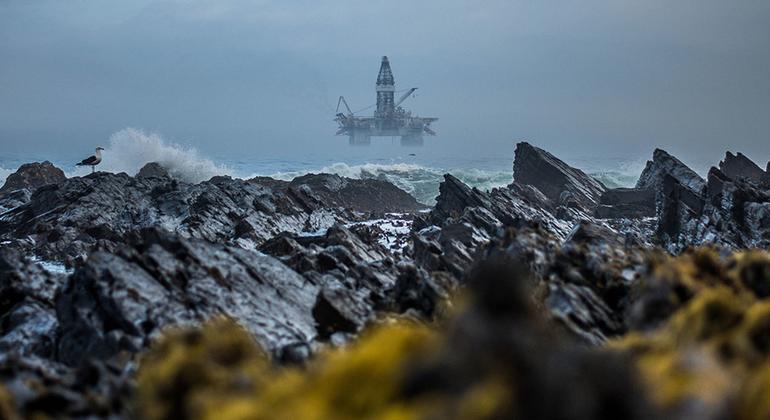
The world is currently facing an energy crisis of unprecedented proportions, with Brent Crude oil trading at over $100 per barrel. This has led to a resurgence in the use of oil and coal by both workers and households, raising concerns about lasting environmental damage. Additionally, many countries have already announced fuel rationing and a shift towards online meetings in an effort to conserve energy resources.
The situation was exacerbated by the Israeli-US bombing of Iran, which sparked a wider regional conflict. The immediate disruption to tanker traffic in the Persian Gulf waterway severely impacted global oil shipments, leading to shortages in natural gas, coal, transport, food, and fertilizers.
According to UNCTAD’s Junior Davis, the majority of countries, especially the Least Developed Countries (LDCs), are net energy importers. Only a small group of LDCs, including South Sudan, Angola, Chad, Mozambique, Lao PDR, Myanmar, and Yemen, are net energy exporters. This imbalance has left many countries vulnerable to the fluctuations in global energy prices.
Even oil-exporting developing countries like Angola may not see significant gains from their exports due to a lack of domestic refining capacity. Many of these countries are forced to re-import refined petroleum products at higher prices, further straining their economies. Neighboring countries like Zambia face even greater hardship as they rely heavily on imported fuel and fertilizer, exacerbating their dependence on foreign resources.
The UN Food and Agriculture Organization (FAO) reports that 17 of the world’s poorest nations need to import more than 30% of their cereal needs. This reliance on imported food leaves these countries vulnerable to fluctuations in global food prices, further exacerbating the risk of hunger and food insecurity.
Finding quick solutions to the energy crisis is challenging, especially for heavily indebted developing countries. The high level of debt repayments limits the ability of these nations to invest in energy infrastructure and alternative energy sources. As a result, households are likely to face higher energy, food, and fertilizer costs, leading to reduced consumption and potential food insecurity.
In response to the crisis, several countries have implemented emergency measures to conserve energy and reduce consumption. Bangladesh has imposed fuel rationing, electricity restrictions, and university closures. Cambodia has reduced public sector energy use, shifted to online meetings, limited government travel, and implemented temperature controls to reduce energy consumption.
The global energy crisis is a complex and multifaceted challenge that requires coordinated efforts from governments, businesses, and individuals to address. Sustainable energy solutions, investments in renewable energy sources, and conservation efforts are essential to mitigate the impact of the crisis and build a more resilient energy system for the future.