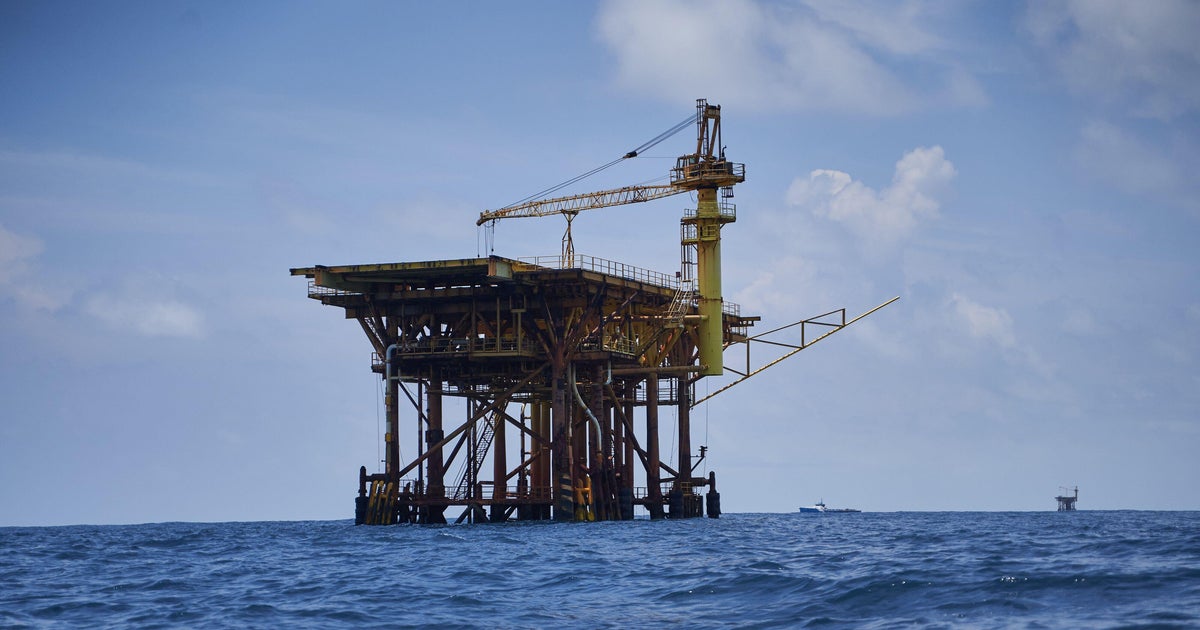
The Trump administration made a controversial decision on Tuesday to exempt oil and gas drilling activities in the Gulf of Mexico from the Endangered Species Act. This move, announced amid escalating tensions and increased energy prices due to the ongoing conflict with Iran, was justified by the administration as necessary for national security. Defense Secretary Pete Hegseth expressed concerns that environmental lawsuits were jeopardizing domestic energy supplies, which could be critical given the geopolitical situation.
The exemption was facilitated through a rare meeting of the Endangered Species Committee, often referred to as the “God Squad,” a body that has the power to override environmental laws in cases deemed economically or nationally imperative. The committee, led by Interior Secretary Doug Burgum, convened for the first time in over thirty years, reflecting the urgency felt by the administration in addressing what they perceive as energy vulnerabilities.
In their defense, officials argued that disruptions in oil production in the Gulf could not only affect the United States but also inadvertently benefit adversaries, implying that such halts in drilling activities would undermine national security by preventing the exploitation of domestic energy resources. Hegseth emphasized the chilling effect that halted development can have, especially during times when the international oil supply routes, such as the Strait of Hormuz, are under threat from Iranian efforts to block shipping.
This decision, however, has sparked significant uproar among environmental groups and conservationists. Critics argue that this exemption could hasten the extinction of the Gulf’s indigenous Rice’s whale, of which only about 50 remain, according to government biologists. This species, found exclusively in the Gulf of Mexico, is already on the brink of extinction, and further disturbances in their habitat from drilling could be disastrous. Patrick Parenteau, a professor emeritus of law at Vermont Law School, has sharply criticized the administration’s justification for the exemption, pointing out that oil and gas exploration has continued despite previous legal challenges aimed at protecting this endangered species.
While the government champions the benefits of streamlined drilling approvals that could ostensibly secure national energy independence, the environmental and ecological costs are potentially staggering. Past oil spills in the Gulf, like the infamous BP Deepwater Horizon disaster in 2010, have already had catastrophic impacts on marine life and environments. The Rice’s whale populations, for example, declined by 22% following the Deepwater Horizon incident and could take decades to recover. Recent accidents, including a spill off the Mexican coast, further illustrate the ongoing risks associated with offshore drilling.
The Trump administration’s push to reverse protections and expand drilling activities has been clear since President Trump took office. After attempts by former President Joe Biden to ban new offshore oil and gas drilling in most U.S. coastal waters as part of a broader climate crisis strategy, Trump has aggressively pursued an agenda to boost fossil fuel production, even seeking to open new areas of the Gulf near Florida for exploration.
However, the long-term ecological implications are profound. A report from the National Marine Fisheries Service in 2025 indicated that the Gulf oil and gas program could potentially harm several species, including different types of whales, sea turtles, and the Gulf sturgeon, due to threats from ship strikes, oil spills, and other environmental impacts.
Critics argue that the move by the Endangered Species Committee is not only environmentally reckless but also illegal, pointing out that the Endangered Species Act has historically not obstructed oil extraction in the Gulf. Since its inception in 1973, the law has played a crucial role in protecting vulnerable species from harmful human activities. If allowed to proceed unchallenged, this exemption could set a concerning precedent that prioritizes short-term economic and energy gains over long-term sustainability and biodiversity conservation.
The debate also touches on broader issues of environmental governance, legal accountability, and the balance between economic development and ecological preservation. As the Trump administration continues to roll back environmental protections, the conflict between economic development and environmental conservation is becoming increasingly stark, posing fundamental questions about the kind of world that will be left for future generations.
In light of these developments, conservation groups and environmental organizations have vowed to challenge the exemption vigorously. The battle over the Gulf’s future, therefore, is not only about protecting a rare whale species but also about defining the larger environmental legacy of our time.