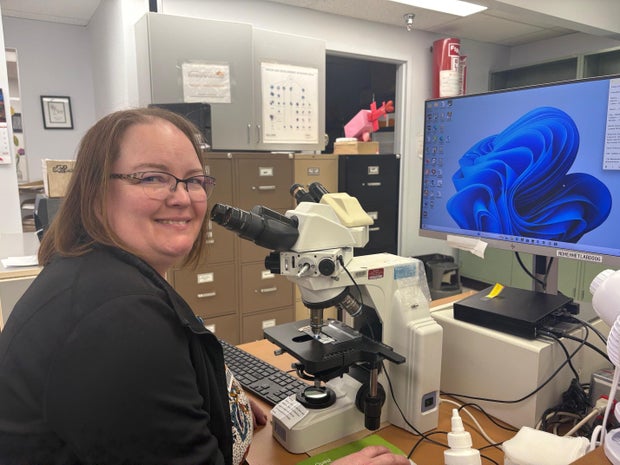
In the quiet rural expanses of North Dakota, specifically within the small town of Hettinger, a seemingly unending quest to fill a critical position at West River Health Services unveils a larger narrative that is gripping many rural healthcare facilities across the nation. Bekki Holzkamm, the lab manager at West River, has tirelessly sought a lab technician since the late summer and has yet to receive an application from a U.S. citizen, highlighting a profound workforce shortage that plagues many such facilities.
West River Health Services, serving a population of about 1,000 residents, stands at a crossroads. The hospital faces staggering choices in light of the Trump Administration’s substantial increase in the H-1B visa fee, a spike from the earlier maximum of $5,000 to an overwhelming $100,000. This fee challenges the financial capabilities of rural hospitals like West River, where such an amount could traditionally fund two lab technician salaries annually. The fee is part of a broader September proclamation that raises costs for employers hiring foreign workers residing outside the U.S., aiming to curb what is perceived as overreliance on foreign labor in various industries, including healthcare.
The options before West River are stark. They could pay the hefty $100,000 fee to hire from a pool of over 30 eager applicants from countries like the Philippines or Nigeria, attempt to navigate the bureaucratic uncertainty of requesting a fee waiver from the Department of Homeland Security, continue the seemingly fruitless effort to recruit domestically, or leave the position vacant, increasing the strain on an already overburdened staff.
This dilemma is not merely administrative but one that gets at the heart of healthcare accessibility in rural America. Rural health facilities like West River are increasingly dependent on foreign-born professionals to fill essential roles from nurses to specialized technicians and physicians, as these areas are often unappealing to domestically-trained professionals predominantly seeking urban postings.
Recent regulations seemingly targeting the tech industry’s use of H-1B visas have inadvertently ensnared healthcare, catching facilities like West River in a policy net that was ostensibly not cast for them. Criticism has arisen from various quarters, with experts like Eram Alam, a Harvard associate professor, deploring the lack of consideration for healthcare in these sweeping legislative changes. Advocacy for exemptions and more nuanced regulations is strong, with bodies like the American Hospital Association and numerous medical societies petitioning for relief that would prevent crippling workforce shortages in already underserved areas.
Kathrine Abelita, a West River lab tech from the Philippines, now a permanent U.S. resident, embodies the international workforce that rural healthcare relies on. The facility continues to leverage H-1B visas to bridge its labor gaps, showing the undeniable role foreign-born workers play in maintaining healthcare standards and accessibility in remote U.S. areas.
Government and private data underscore this reliance. For instance, immigrants constitute a significant portion of the U.S. healthcare workforce. According to a 2023 government survey, 16% of registered nurses and similarly significant percentages of other medical professionals are immigrants. What’s more, nearly a quarter of U.S. physicians received their education abroad, emphasizing the role of international talent in the nation’s medical sectors.
The recruitment challenges faced by rural facilities like West River are a reflection of broader, systemic issues. The American healthcare system has, for decades, relied on importing talent due to a combination of factors: historical exclusions in medical education, economic choices favoring foreign-trained recruits over expanding domestic medical education, and demographic shifts demanding more healthcare providers.
However, this dependency also sparks debate about the ethics of drawing talent from countries with even more pressing health care needs. This moral dimension adds another layer to what is already a complex problem: ensuring adequate healthcare coverage in America’s rural stretches without unduly stripping resources from other needy regions of the world.
New regulations, such as the H-1B visa fee increase, are met with resistance not only from within the healthcare sector but also from political figures aware of the ramifications for rural constituents. High-profile lawsuits also challenge these fees, advocating for a more balanced approach to immigration and labor policies that acknowledge and address the specific needs of the healthcare industry.
Yet, amid these high-stakes discussions, the immediate reality for managers like Holzkamm remains grim. With local recruitment proving unfruitful and international hiring now exorbitantly costly, rural healthcare facilities find themselves in a precarious position, struggling to maintain staffing levels sufficient to meet their communities’ health needs.
This ongoing crisis underscores the critical intersection of immigration, healthcare, and rural livelihoods, pointing to the urgent need for policies that reconcile national labor concerns with the unassailable necessity of accessible, comprehensive healthcare for all corners of the United States. As this discussion unfolds, the fate of small-town health services like West River hangs in the balance, dependent on a resolution that bridges gaps in availability, affordability, and policy.