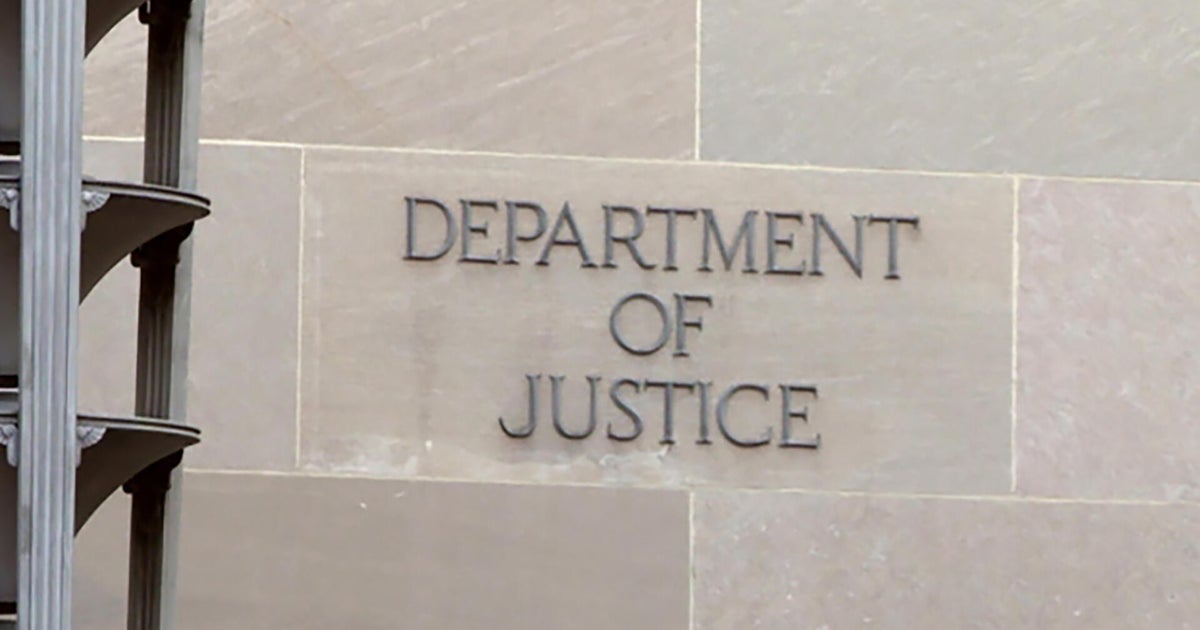
In a complex legal tussle that touches upon the intricate realms of national security, privacy rights, and personal freedoms, a former legal advisor to ex-FBI Director James Comey has initiated a lawsuit against the U.S. Department of Justice. The suit revolves around the contentious issue of files seized by the FBI from Daniel Richman, a Columbia University law professor, which he contends were wrongfully obtained and retained. This brewing legal battle comes at a precarious time as federal prosecutors deliberate on pursuing a fresh indictment against Comey, spotlighted by his congressional testimony in late 2020.
Richman, who had previously advised Comey, found himself ensnared in a federal investigation dubbed “Arctic Haze.” This probe, centered around a potential leak of sensitive information, saw federal agents seizing materials from Richman’s hard drive, two email accounts, and an Apple iCloud account between 2019 and 2020 under the authorization of search warrants. Although the investigation was concluded in 2021 with no charges filed, the specter of these seized files continued to loom large.
The recent unfolding of events traces to a dismissal of an earlier criminal case against Comey, wherein the legitimacy of interim U.S. Attorney Lindsey Halligan, who spearheaded the indictment, came under scrutiny. A judge ruling Halligan’s appointment as unlawful led to the collapse of the case, though there remains a possibility of an appeal by Attorney General Pam Bondi and the White House, as well as potential new charges being levied against Comey.
Amidst these judicial and administrative maneuvers, significant revelations were brought to light regarding the management of Richman’s seized materials. Judge William Fitzpatrick, overseeing an aspect of Comey’s case, pointed out that the government possibly confiscated material beyond the authorized scope of the original search warrants. Even after the conclusion of the Arctic Haze operation, these materials were not only retained for years but were also subjected to a reexamination by federal authorities in September, raising concerns about overreach and privacy violations.
The crux of Fitzpatrick’s concerns was highlighted in his observations that federal investigators, having unfettered access to Richman’s files initially obtained for the Arctic Haze probe, might resort to similar searches in the future without appropriate judicial oversight. The judge suggested that any such future searches should necessitate new warrants, likely constrained to narrower confines compared to the initial ones.
Compounding this situation is Fitzman’s assertion that the materials sourced from Richman were pivotal in Halligan’s presentation before a grand jury, ultimately leading to Comey’s indictment on two criminal charges. This revelation has amplified concerns about the legitimacy of the prosecution’s case and the methods employed to gather evidence.
In response to these developments, Richman’s legal counsel has argued that their client’s Fourth Amendment rights, which protect against unreasonable searches and seizures, were egregiously violated. They have petitioned the U.S. district court in Washington, D.C., to order the return of the seized files to Richman and to prohibit the government from utilizing the controversially obtained materials in any further capacities.
Richman’s team has vehemently criticized the government’s actions, describing them as a substantial breach of constitutional rights that, if left unchecked, could continue to cause significant harm to him. They highlighted the jeopardy posed not only by the initial seizures under the 2019 and 2020 warrants but also by the subsequent search operations. Specifically, they underlined the case from earlier this year, where investigators accessed Richman’s files without a warrant — a move they argued epitomizes the very governmental abuse the Fourth Amendment aims to prevent.
These allegations and the consequent legal challenge throw a harsh light on the profound implications of government surveillance and data retention practices, reinvigorating critical debates on the balance between national security interests and individual privacy rights. As Richman’s lawsuit progresses, it not only seeks justice in his personal case but also underscores broader concerns about transparency, accountability, and the safeguarding of constitutional freedoms in the digital age.