The ongoing dispute between the Department of Homeland Security (DHS) and several U.S. states regarding local compliance with federal immigration policies has intensified. Earlier this week, DHS issued a stern warning to California, New York, and Illinois, hinting at possible federal legal action due to these states’ refusal to honor immigration detainers. This confrontation has raised significant concerns about the balance between state and federal powers, especially concerning immigration enforcement.
Immigration detainers, as explained by the Department of Homeland Security, are official requests submitted by U.S. Immigration and Customs Enforcement (ICE) to local jails and prisons. These detainers request that local authorities notify federal agents prior to the release of an individual in their custody, and to maintain custody of the individual for a short period to allow federal agents to take them into federal custody. DHS believes that such cooperation is crucial to maintaining control over illegal immigration and preventing the release of criminal aliens back into communities.
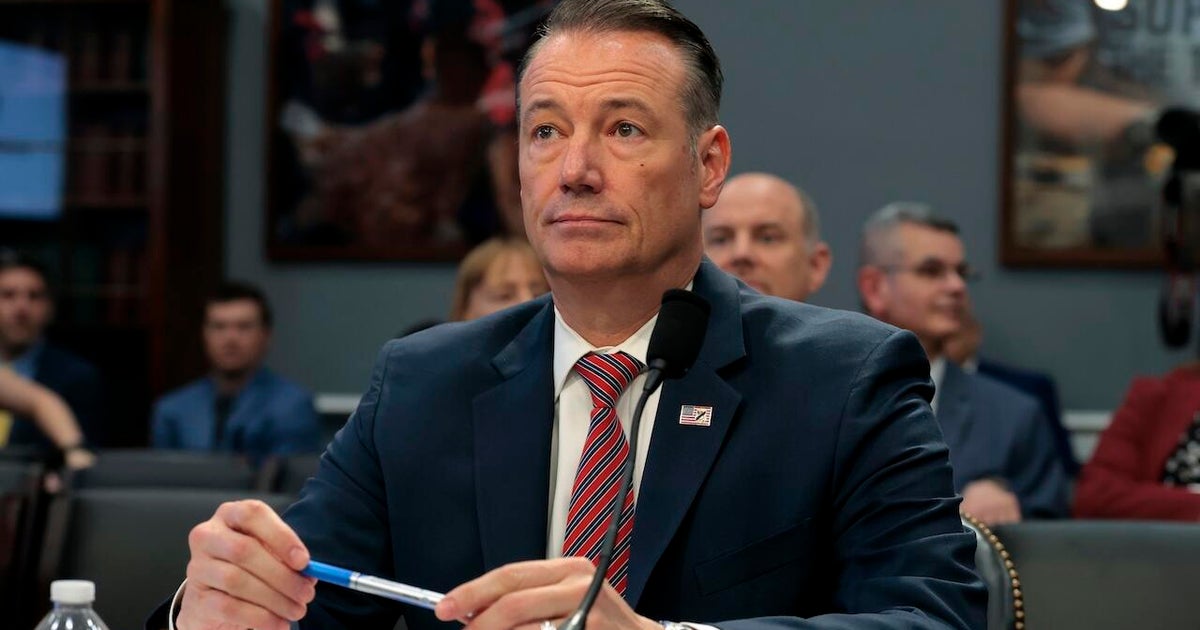
In an aggressive move to secure compliance, Todd Lyons, the Acting Director of ICE, sent letters on September 10 to the attorneys general of the reluctant states, demanding a declaration of their intentions to comply with the detainers within two days. According to DHS, while California initially failed to respond, both Illinois and New York formally declined to cooperate. This prompted Lyons to issue follow-up letters, in which he threatened to involve the Department of Justice to take legal steps against these states, including blocking federal funding intended for them.
In Lyons’ follow-up letter addressed to Illinois Attorney General Kwame Raoul, he expressed his concerns about the potential consequences of non-compliance. Lyons emphasized that the refusal would likely lead to the release of thousands of criminal aliens into Illinois communities, posing significant safety risks. He mentioned that the state’s decision would trigger an aggressive response from ICE, involving the U.S. Department of Justice and other federal partners to implement all necessary measures against the state’s decision.
Similar warnings were issued to New York Attorney General Letitia James, who had also confirmed the state’s decision to not expand its cooperation with federal immigration enforcement efforts. In California, Lyons interpreted the lack of response as a continuation of the state’s practice of refusing to honor ICE detainers, predicting it would result in similar community safety risks.
The letters from the California and Illinois Attorney General offices to DHS argued that ICE detainers are merely requests and not legally binding mandates. Both states highlighted federal rulings and their own state laws limiting compliance with these detainers, arguing that they cannot be compelled to adhere to them. They further noted that complying with erroneous ICE detainers could expose local law enforcement agencies to legal liabilities.
Assistant Secretary of Homeland Security Tricia McLaughlin responded to the states’ refusal by lambasting the sanctuary policies, linking them to dangerous outcomes such as the release of dangerous criminals back into American communities. McLaughlin’s statement underscores the administration’s premise that rejecting ICE detainers correlates with increased criminal activities, including sex crimes and violent assaults, which subsequently threatens public safety.
The policy tension is exacerbated by the Trump administration’s aggressive campaign against sanctuary jurisdictions, which it accuses of obstructing the federal government’s immigration enforcement efforts. These policies have resulted in ICE intensifying its operations in communities to apprehend undocumented migrants, often sparking significant public protests in major urban centers like New York City, Chicago, and Los Angeles.
Moreover, the DHS claim that a substantial percentage of apprehended undocumented immigrants under the Trump administration having criminal charges or convictions further complicates the debate. Proponents of the sanctuary policies argue these laws foster trust between immigration communities and local law enforcement, advocating that such trust is key to community safety and cooperation with law enforcement investigations.
California, New York, and Illinois have enacted laws that place significant constraints on local cooperation with ICE. For instance, California mandates that local police may only honor detainers for individuals convicted of serious crimes. Similarly, New York requires judicial warrants for detention, not just administrative detainers, while Illinois prohibits the detention of individuals without a judicial warrant.
These legal battles and policy discrepancies between state laws and federal immigration policies emphasize the complex, multilayered disputes concerning immigration enforcement in the United States. As this legal confrontation unfolds, significant questions about federalism, state sovereignty, and individual rights continue to provoke national debate regarding the best path forward for managing immigration enforcement and local autonomy.