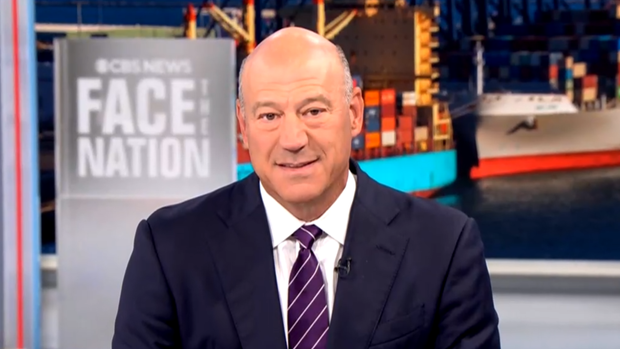
In a detailed and insightful interview on the popular current affairs show “Face the Nation” hosted by Margaret Brennan, Gary Cohn, the IBM vice chairman and former director of the U.S. National Economic Council during the first Trump administration, shared his perspectives on recent developments in U.S. economic policy and their potential impacts. The interview, which aired on September 21, 2025, covered a range of topics including the Federal Reserve’s decision to lower interest rates, the state of the labor market, corporate strategies in response to economic conditions, and the implications of new policies affecting skilled foreign workers.
The discussion opened with Brennan noting the Federal Reserve’s recent decision to reduce interest rates by a quarter point, bringing them to the lowest levels since 2022. Cohn elaborated on the importance of this change, highlighting that alongside the rate cut, the Federal Reserve provided a valuable update on its economic outlook. He pointed out that the projections from the Fed’s 17 governors suggested further rate reductions could be expected within the year, despite some division among committee members. Cohn emphasized the independence and thorough analytical process of the Fed, which remains keenly focused on economic data to guide its decisions.
Explaining the implications of lower interest rates, Cohn clarified a common misconception: while the Federal Reserve sets the federal funds rate—which is the overnight lending rate between banks—it does not directly control the interest rates that affect most consumers. Instead, rates for auto loans, credit cards, student loans, and mortgages are tied to longer-term yields determined by market forces. Interestingly, Cohn noted that despite the Fed’s rate cut, yields on these longer-term debts had actually increased slightly shortly after the announcement, though they were lower than earlier in the year.
Turning the conversation to the labor market, Cohn discussed how the Federal Reserve’s dual mandate—to ensure stable prices and full employment—shapes its policy decisions, especially in a complex economic environment. He reported a noticeable slowdown in job creation, which has decreased from over 100,000 new jobs per month to under 50,000. Cohn interpreted this trend as part of a broader adjustment wherein companies, facing increased input costs due to tariffs and other factors, are focusing on reducing labor expenses to maintain profitability. This shift comes after a period during which companies hoarded labor due to uncertainties around COVID-19. Now, they are strategically letting go of this excess labor, especially through natural attrition.
Cohn also touched upon corporate strategies in response to these economic pressures. He highlighted that companies are cutting labor costs to keep their margins healthy, a strategy reflected in the recent data which shows corporate profits growing faster than revenues. This indicates that businesses are successfully managing costs without significantly raising consumer prices.
An interesting point of discussion was the recent executive order signed by the President, imposing a one-time fee of $100,000 on visas for highly skilled foreign workers. Cohn shared insights into the initial confusion and concern this policy stirred among major companies, including IBM, Apple, Google, and Microsoft. He explained that the situation stabilized after clarifications were provided over the weekend following the announcement. Cohn supported the policy change, arguing that it would refine the H-1B visa system to ensure it is used for truly indispensable skilled workers that companies cannot find domestically, thereby potentially benefiting the U.S. economy by attracting high-level talent.
In conclusion, Gary Cohn offered a comprehensive analysis of current U.S. economic conditions and policies, highlighting key challenges and opportunities faced by policymakers and the business community. His expert insights underscored the complexity of economic management in a globalized, rapidly changing environment and provided a clear picture of the strategic considerations driving recent governmental and corporate decisions. The interview not only provided valuable information on these topics but also stimulated further dialogue on the future direction of the U.S. economy.