The U.S. Department of Justice’s Legal Battle Against “Sanctuary” Jurisdictions
In a significant move that underscores the ongoing tension between federal authority and local autonomy, the U.S. Department of Justice (DOJ) announced this Tuesday a comprehensive list of 35 “sanctuary” jurisdictions across America. These include states, counties, and cities that have implemented policies limiting cooperation with federal immigration enforcement. The release of this list marks an escalation in the federal government’s effort to enforce immigration laws nationwide, drawing a definite line in the sand between federal priorities and local discretion in handling immigration matters.
Justice Department’s Comprehensive Response to Sanctuary Jurisdictions
The release on Tuesday wasn’t just an announcement of names; it came with a serious commitment from the DOJ to initiate lawsuits against these jurisdictions. This includes some of the nation’s most prominent states and municipalities. The list comprises twelve states—California, Colorado, Connecticut, Delaware, Illinois, Minnesota, Nevada, New York, Oregon, Rhode Island, Vermont, Washington—and the District of Columbia. It also specifically names Baltimore County, Maryland; Cook County, Illinois; San Diego County, California; San Francisco County, California; and extends to 18 cities, spanning from Seattle to Philadelphia.
The Legal and Political Backdrop
The move by the DOJ follows an executive order signed by President Donald Trump in April this year. The order directed the Justice Department to compile and publish a list of states and local jurisdictions identified as obstructing the enforcement of federal immigration laws, referred to as “sanctuary jurisdictions.” This order reflects President Trump’s ongoing policy agenda to strengthen immigration control—a cornerstone of his administration’s law-and-order platform.
Under President Trump’s directive, not only would these jurisdictions be listed, but they would also be notified of their alleged non-compliance with federal immigration law. Should these areas continue to defy federal directives, the order empowers the DOJ to pursue all necessary legal and enforcement remedies to bring these jurisdictions into compliance with U.S. laws.
Implications of DOJ’s Legal Actions Against Sanctuary Cities
This isn’t the first time that sanctuary cities have been under legal scrutiny by the Trump administration. The DOJ has already initiated actions against certain cities, such as New York City, which was sued in July for its sanctuary policies. Moreover, the issue of sanctuary jurisdictions has been a hot topic in Congress this year, with Republican lawmakers particularly vehement during committee hearings. They’ve interrogated Democratic mayors and governors, demanding explanations and justifications for their local policies that, in the eyes of their opponents, obstruct federal law enforcement efforts.
Points of Contention and the Doctrine of Federalism
The underlying tension highlighted by the DOJ’s announcement is deeply rooted in the American principle of federalism, which involves the distribution of power between state and federal governments. Sanctuary cities and states argue that they are entitled, under the Constitution, to manage their local law enforcement resources and prioritize community safety. They claim that federal attempts to commandeer local police to serve national immigration enforcement ends undermine local trust and fail to secure communities, which could actually lead do decreased overall safety.
Attorney General Pam Bondi’s Firm Stance
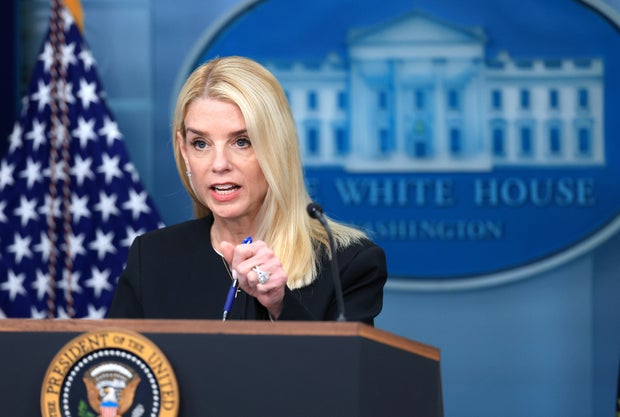
In her statement accompanying the DOJ’s announcement, Attorney General Pam Bondi expressed a stringent stance against sanctuary policies, emphasizing that the administration views these policies as hindrances to law enforcement and risks to public safety. “Sanctuary policies impede law enforcement and put American citizens at risk by design,” Bondi stated. This articulates a clear message from the DOJ: compliance with federal law is imperative, and deviation from it will not be tolerated.
The Road Ahead
As the Department of Justice gears up to initiate legal battles across the nation, the impacted jurisdictions are bracing for prolonged legal disputes. These confrontations in courtrooms across America will not just be about the specific legal details of federal versus local powers but will also symbolically contest the philosophies governing immigration enforcement and local autonomy.
The broader implications for civil liberties, federalism, and the locus of power in immigration law enforcement will potentially reshape the landscape of immigration policy in the United States. What happens next could define the administration’s legacy and either bolster or significantly undermine the principle of local control over law enforcement resources.
Conclusion
The DOJ’s latest move could be seen as a testament to President Trump’s commitment to strict immigration enforcement. However, it also sets the stage for significant legal skirmishes that will test the fabric of U.S law, potentially setting precedents that could last well beyond his administration. These developments warrant close observation as they unfold, for they will undeniably impact thousands of lives and may redefine the balance of power between Washington and the states.