In a significant shake-up of Puerto Rico’s Financial Oversight Management Board (FOMB), President Trump has made a bold move by firing five of its eight members. This group, tasked with overseeing the U.S. territory’s budgetary planning, has been critical in trying to navigate Puerto Rico back to fiscal health amid prolonged financial struggles. The decision marks a profound change in the composition and possibly the direction of the board, affecting its future operations and strategies.
The board members dismissed by President Trump include Chairman Arthur J. Gonzalez, Cameron McKenzie, Betty A. Rosa, Juan A. Sabater, and Luis A. Ubiñas. Notably, Betty A. Rosa was initially appointed by Trump during his first term and subsequently renominated by President Biden, highlighting the bipartisan nature of previous appointments. The reshuffling leaves just two members appointed through presidential nomination processes—one by former President Obama and reappointed by Trump, and another nominated by Trump and later renominated by Biden. Additionally, there remains one ex-officio member appointed by the Puerto Rican governor, who has a voice but no voting rights on the board.
The action by President Trump has precipitated various responses, from political figures to stakeholders impacted by the board’s decisions. A statement released by a White House official criticized the board’s previous leadership, declaring it had been “run inefficiently and ineffectively” for an extended period. The official expressed a clear intent to “restore common sense leadership” to the board’s operations. This move aligns with a broader push from the Trump administration to reform entities perceived as ineffective or mismanaged.
The inception of FOMB dates back to the Obama administration’s last year, when Congress established the board under the Puerto Rico Oversight, Management, and Economic Stability Act (PROMESA). PROMESA was crafted to alleviate the dire fiscal crisis gripping the island by prioritizing and speeding up critical infrastructure projects and creating a pathway for financial recovery. However, the effectiveness of the board has come under scrutiny, with debates intensifying around its handling of key financial negotiations, particularly concerning Puerto Rico’s Electric Power Authority (PREPA).
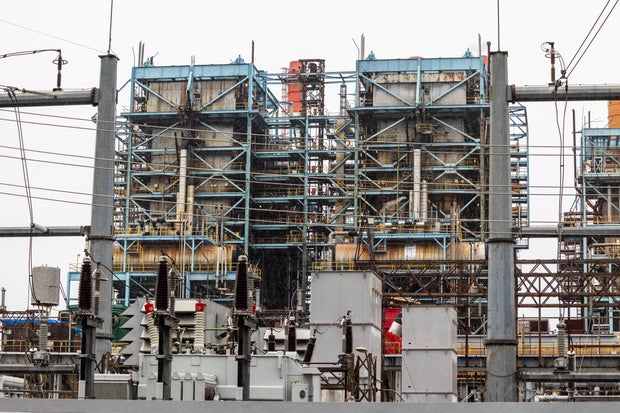
PREPA’s mounting debts and ongoing negotiations with bondholders have been a focal point of contention. Democrats in Congress, such as Rep. Nydia Velazquez of New York, have been vocal at hearings discussing the board’s performance. Velazquez criticized bondholder tactics, particularly pointing out Golden Tree Asset Management, a major bondholder that has resisted the board’s attempts to significantly slash the principal payment on PREPA bonds from $8.5 billion down to $2.6 billion.
The narrative around PREPA isn’t just about bankruptcy or fiscal missteps; it’s increasingly becoming a showdown between large financial entities and the Puerto Rican populace, whom many feel are the real victims of the island’s fiscal calamity. This sentiment was echoed in comments made by Jared Huffman, the Ranking Member of the House Natural Resources Committee, who opposed calls to dissolve the board immediately, labeling such a move as premature.
On the local front, perspectives are just as heated. Puerto Rico’s Republican Governor, Jenniffer González-Colón, has stated her dissatisfaction with the board’s continued presence, advocating for its immediate disbandment. Her stance underscores the local governance’s frustration with external bodies dictating the financial trajectories on the island.
The aftermath of President Trump’s decision has left significant speculation about the new composition and directions of the board. No official announcements regarding replacements have been made, leaving a cloud of uncertainty over how the board will function moving forward and what strategies it will adopt to navigate the complex fiscal landscape.
These developments arrive at a crucial juncture for Puerto Rico, which continues to battle with the repercussions of its financial crises and natural disasters, all amidst a fragile economic recovery phase. The role of FOMB, although contentious, is undeniably central to the island’s pursuit of fiscal stability and enhanced governance. How this dramatic restructuring will affect Puerto Rico’s fiscal future remains a focal point of attention for stakeholders at all levels—from local residents and officials to international investors and policymakers.
While the shake-up may promise a new direction and revitalization of the board’s efforts, it also invites debates concerning governance, accountability, and the best pathways for financial recovery. As Puerto Rico continues on its challenging journey towards recovery and stability, the eyes of the world, just as much as those of the island’s inhabitants, will be keenly watching how these changes unfold and impact the broader socio-economic climate.