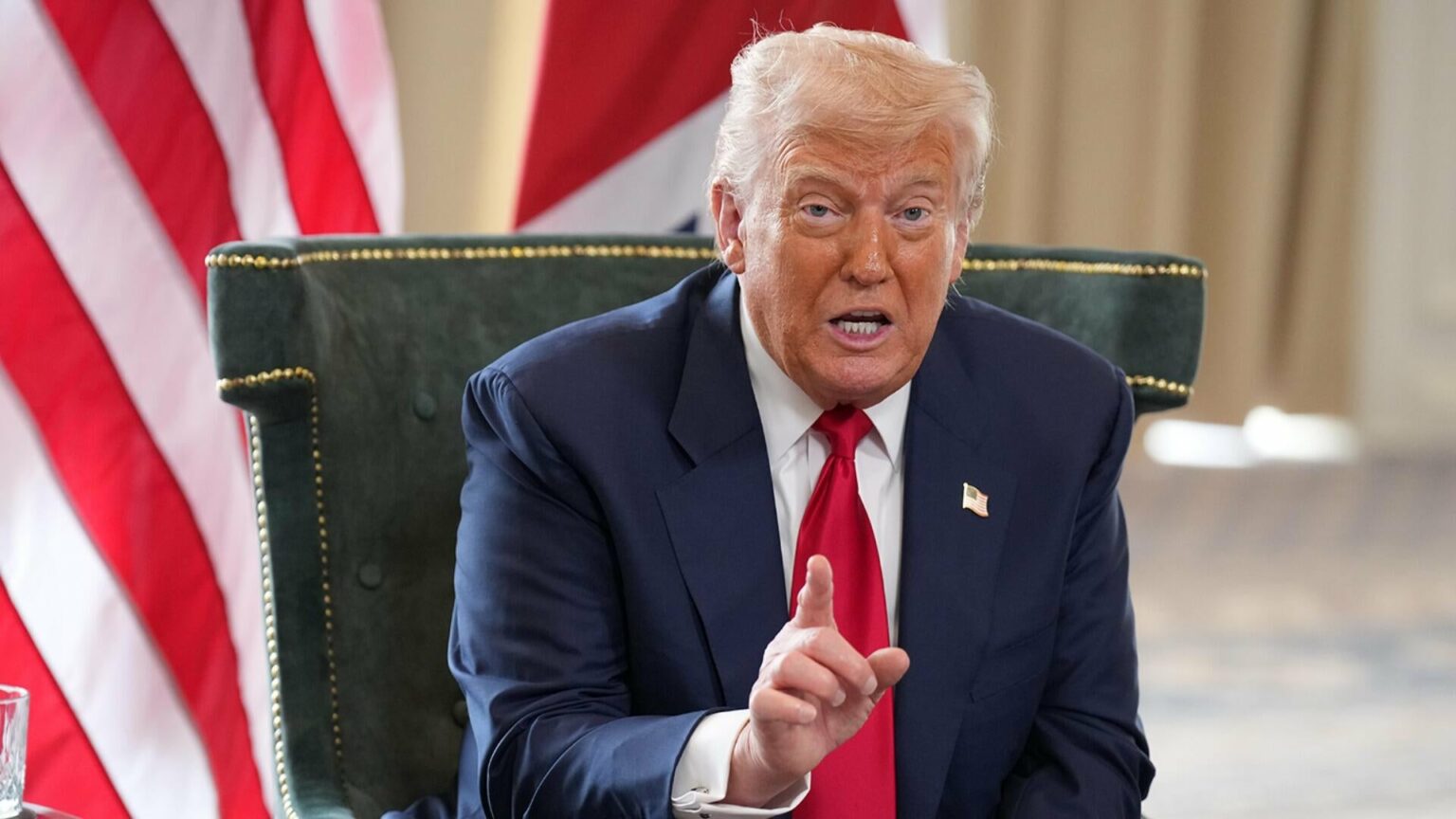
President Donald Trump recently enacted a new executive order that will significantly impact trade relations between the United States and India. Announced on Wednesday, the order imposes an additional 25% tariff on all goods imported from India due to the nation’s persistent purchase of oil from Russia. This move comes in tandem with ongoing efforts to pressure countries maintaining economic relationships with Russia, especially in light of the Kremlin’s aggressive actions in Ukraine.
This decision escalates existing tensions and doubles the total tariffs imposed on Indian imports to a stark 50%. The executive directive stipulates that these additional tariffs will come into effect within 21 days. President Trump’s actions are a direct response to India’s actions, which he states adversely affect trade balances and global diplomatic relations concerning Russia.
Just a week prior to this directive, President Trump had announced intentions to implement a 25% tariff and unspecified penalties against India due to their transactions involving Russian military equipment and energy resources. During this announcement, he criticized India for imposing what he termed as the “most strenuous and obnoxious non-monetary trade barriers of any country.”
The context for these tariffs ties into broader global geopolitical dynamics. President Trump has consistently used tariffs as a strategic tool to leverage better trading terms with nations around the world. His administration has issued an ultimatum to Russian President Vladimir Putin, facilitated through Trump’s special envoy Steve Witkoff, who met with Putin in Moscow. The message was clear: agree to a ceasefire with Ukraine by Friday or face severe tariffs alongside other economic penalties.
Trump’s tactical use of trade measures reflects his broader trade policy, which aims to correct what he views as unfair global trade practices that disadvantage the U.S. This policy led him to announce higher tariffs against more than sixty countries unless they forge preferential trade agreements with the U.S. by a stipulated deadline. This is indicative of Trump’s transactional approach to foreign policy and international relations.
These latest tariffs against India also come in a year when the U.S.’s trade deficit with India widened by 5.9%, reaching $45.8 billion, as reported by the Office of the U.S. Trade Representative. The growing deficit further underscores the Trump administration’s urgency in rebalancing trade scales which it believes are tipped unfavorably against the U.S.
Earlier this year, President Trump and Indian Prime Minister Narendra Modi had met at the White House, where discussions were held concerning the U.S. boosting military sales to India. Trump had also announced a deal on oil and gas, which would position the U.S. as India’s prime supplier, aiming to cut India’s reliance on contentious sources like Russia. This arrangement highlights the complex interdependencies in global trade and energy politics, where diplomatic and economic tools often intertwine.
President Trump’s latest move is indeed bold and continues his pattern of aggressive trade and foreign policy. It delineates the importance he places on economic measures in achieving geopolitical objectives. However, such tariffs also come with potential repercussions. They could increase domestic prices for imported goods, affecting American consumers, and might lead to retaliatory tariffs from India, which could further exacerbate international trade tensions.
As these developments unfold, stakeholders in both the U.S. and India, along with global observers, will be closely monitoring the repercussions on bilateral trade, diplomatic relations, and broader international economic dynamics. The situation poses significant implications for international trade frameworks and the future economic landscape between the U.S. and India.
Through these measures, President Trump reasserts his commitment to recalibrating United States’ international relations and trade agreements to what he perceives as more balanced and equitable terms. His administration’s approach is clear: use America’s economic leverage to negotiate from a position of strength to secure agreements that are seen as more favorable and just for the American people. However, whether this strategy will lead to the desired economic outcomes or further global trade rifts remains a subject of intense debate among policymakers, economists, and the international community. Meanwhile, the global economy waits on edge as these tariffs forecast heightened trade protectionism which could lead to significant shifts in global trade partnerships and economic alignments.