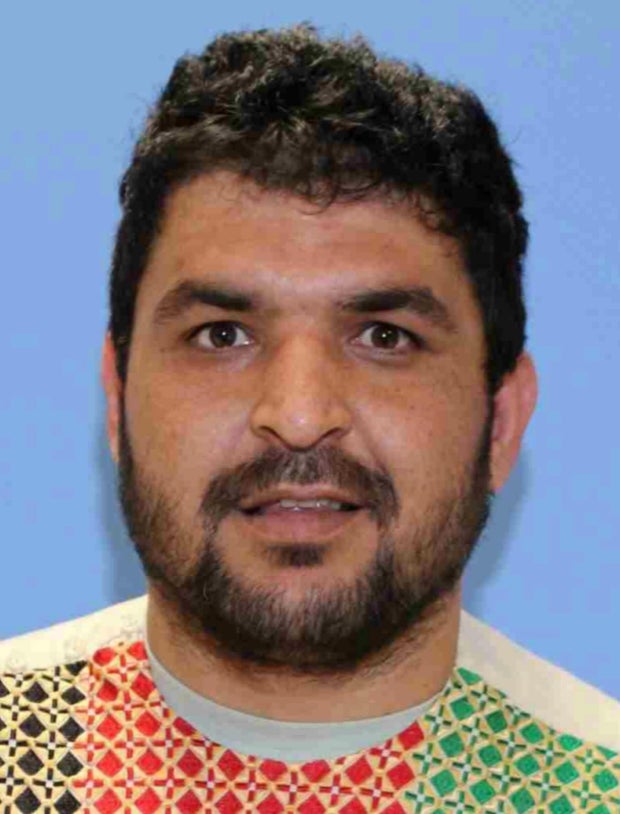
The violent incident that unfolded last week in Washington, D.C., where two National Guard soldiers were shot—one fatally—has thrust U.S. immigration policies and the competence of federal oversight into a fierce national spotlight. The suspect, 29-year-old Afghan national Rahmanullah Lakanwal, has become the focal point of this intensifying debate.
Following the attack, the Trump administration leveraged the incident as justification to implement more stringent immigration measures. Among these actions was the immediate suspension of all visa and immigration processing for Afghan nationals, a comprehensive review of existing green card applications from 19 specific countries, and a freeze on all asylum decisions—a direct response echoed by calls from the administration to tighten national security and overhaul immigration evaluations.
The ambiguity surrounding Lakanwal’s motives complicates the narrative. Over the weekend, Homeland Security Secretary Kristi Noem hinted at a possible radicalization of Lakanwal during his time in the U.S., a theory that aligns with emails uncovered by CBS News pointing toward Lakanwal’s spiraling mental health in recent years, alongside growing isolation from his familial ties.
The political fallout from this tragedy has been swift and pointed. The Trump administration has criticized the Biden administration for what it deems a lax stance that allowed Lakanwal’s entry into the U.S. in 2021. Conversely, detractors of President Trump have criticized his administration for the approval of Lakanwal’s asylum claim earlier in the year, highlighting the complexities and shared responsibilities spanning different government tenures in managing particularly sensitive immigration cases.
Rahmanullah Lakanwal’s journey to the U.S. began in September 2021 under “Operation Allies Welcome.” This initiative, orchestrated by the Biden administration, was designed to facilitate the relocation of tens of thousands of Afghan evacuees in the fraught aftermath of the U.S. military withdrawal and the subsequent Taliban resurgence in Afghanistan. During this tumultuous period, Lakanwal was granted humanitarian parole, allowing him legal status to reside and work in the U.S. initially for two years, with the possibility of extensions.
This form of parole was intended as an interim solution pending the application and approval of more permanent legal statuses, such as asylum or Special Immigrant Visas earmarked for individuals who collaborated with the American military efforts in Afghanistan. Despite these provisions, the resettlement process, particularly the vetting of these evacuees, faced considerable scrutiny. Critics, including Republican lawmakers, questioned the adequacy of the vetting process—a concern substantiated by a 2022 report from the Department of Homeland Security Office of Inspector General that highlighted significant gaps in the system that sometimes left critical data unreviewed.
In December 2024, Lakanwal lodged an asylum claim with U.S. Citizenship and Immigration Services, arguing that returning to Afghanistan posed a legitimate threat of persecution. This claim initiated another thorough investigation into his background, inclusive of in-person interviews, biometric data collection, social media examinations, and FBI background checks. Despite these layers of vetting, in April 2025, USCIS granted Lakanwal asylum, a status not synonymous with permanent residency but a vital step towards it. Lakanwal’s connections to the so-called “Zero Units” in Afghanistan—a group reputed for their secrecy and brutal tactics—further complicated his profile, potentially marking him as a target for Taliban vengeance.
However, the path to a green card and eventual citizenship would require additional time and vetting. Asylees, like Lakanwal, were eligible to apply for permanent residency no sooner than one year following their asylum status approval. Despite this potential progress in his legal status, the criminal charges arising from the recent shooting have indefinitely complicated his immigration trajectory. U.S. law stipulates that significant crimes can trigger a revocation of asylum status, a premise potentially applicable in Lakanwal’s case pending judicial processes.
This tragic incident and its ramifications underscore the complexities and potential pitfalls of U.S. immigration policies, particularly regarding individuals from conflict-ridden regions. It highlights the daunting task facing U.S. immigration services in balancing humanitarian concerns with national security imperatives, a balance that is continually scrutinized and often criticized in the volatile arena of political and public opinion. As the debate unfolds, it raises poignant questions about the efficacy of current immigration policies and the depth of their implementation, casting a long shadow over the future of immigration protocol in the United States.