The Birthright Citizenship Debate at the U.S. Supreme Court
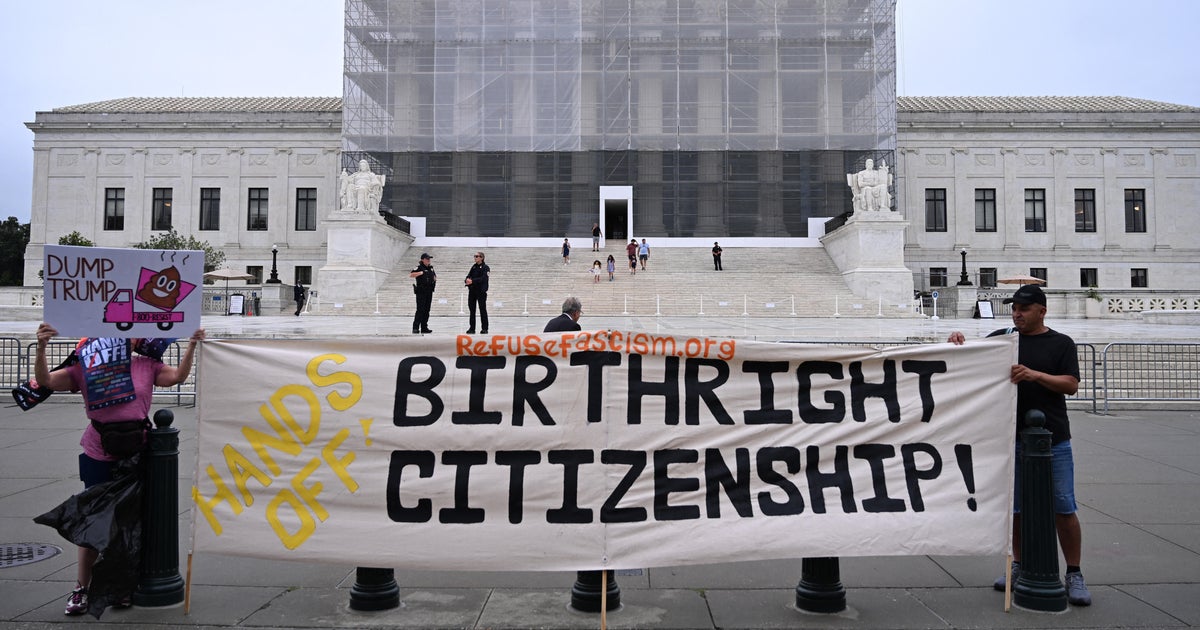
In a pivotal moment for U.S. immigration policy, the Supreme Court is now reviewing a significant executive order by President Donald J. Trump that seeks to end birthright citizenship— a cornerstone of American civil rights established under the 14th Amendment. This case not only challenges longstanding principles but also tests the boundaries of executive power in shaping immigration policy.
Background of the Case
The controversy began with President Trump’s executive order announced upon his re-assumption of office, aiming to redefine the scope of the Citizenship Clause of the 14th Amendment. Historically, this clause has been interpreted to grant U.S. citizenship to nearly all children born on U.S. soil, irrespective of their parents’ nationality or immigration status, with only a few exceptions for diplomats and hostile forces.
President Trump’s administration argues that this interpretation has been overly broad, inadvertently encouraging illegal immigration and so-called “birth tourism.” In contrast, critics of the executive order argue that it misconstrues both the letter and spirit of the 14th Amendment, which sought to ensure citizenship for all persons born or naturalized in the United States as a direct repudiation of the infamous Dred Scott decision.
Legal Proceedings and Lower Court Rulings
The executive order was met with immediate judicial resistance, with multiple lower courts ruling it likely unconstitutional. This prompted an expedited review by the U.S. Supreme Court, bypassing the appellate courts. The plaintiffs in this case, represented by groups including the American Civil Liberties Union (ACLU), are three anonymous individuals whose children would be denied citizenship under the new order.
Solicitor General D. John Sauer, representing the Trump administration, posits that the original intent of the 14th Amendment was to secure citizenship for the children of freed slaves, not to indiscriminately grant citizenship to the children of non-residents or those in the country illegally. On the other side, legal representatives for the plaintiffs argue that the phrase “subject to the jurisdiction thereof” in the amendment clearly means subject to U.S. laws, which apply to virtually everyone residing in the country barring few exceptions mentioned earlier.
Historical and Legal Interpretations
The interpretation of “subject to the jurisdiction thereof” has varied, adding complexity to the case. Critics of the administration’s stance point to the landmark Supreme Court decision in United States v. Wong Kim Ark (1898), where the Court ruled that a child born in the U.S. to foreign parents was indeed a U.S. citizen under the 14th Amendment. They argue that this case, reflecting the prevailing legal understanding developed over more than a century, should guide the interpretation of the amendment.
On the other side, defenders of the executive order argue that the historical context and the language of the constitution support a more restrictive interpretation of citizenship. They assert that the original framers of the amendment excluded individuals such as foreign diplomats and hostile forces specifically because they were not fully subject to U.S. jurisdiction, a logic they believe should extend to those in the country illegally or temporarily.
Implications and Broader Impact
The stakes of the Supreme Court’s decision are enormous. An estimated 250,000 babies born each year to non-citizen parents in the U.S. could be affected by this order. Broad societal implications including potential increases in state burdens, risks of statelessness for affected children, and challenges to the inclusivity of American democracy have been highlighted by opponents of the order.
State Responses and Future Considerations
Several states, led by Democratic attorneys general, have voiced their opposition, citing administrative burdens and potential losses in federal funding for essential services like Medicaid. They argue that birthright citizenship not only facilitates integration and civic participation but also supports the constitutional and democratic values of equality and inclusion.
Awaiting the Supreme Court’s Decision
As the nation waits for a ruling, expected by summer, the Supreme Court’s decision will likely have profound effects on the interpretation of the Constitution, the lives of millions of Americans, and the future trajectory of immigration policy in the United States. It is a decision that will not only determine the legality of a significant presidential directive but also define the contours of citizenship and belonging in a nation built by immigrants.