An In-Depth Examination of Supreme Court Deliberations on Coordinated Spending Caps in Political Campaigns
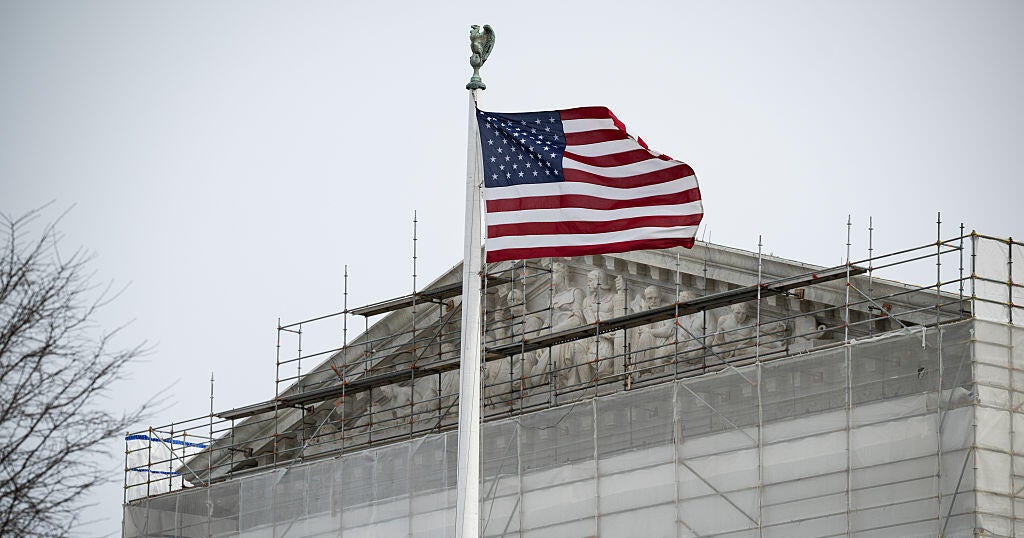
In a significant session on Tuesday in Washington, D.C., the Supreme Court addressed complex issues surrounding the federal limits on coordinated spending between political committees and federal candidates. This case, officially known as NRSC v. FEC, examines the foundations laid by Congress through the Federal Election Campaign Act of 1971. This longstanding act serves to regulate the financial mechanisms of federal campaigns, aiming to maintain fairness and transparency in political financing.
Legislative and Financial Background
The Act in question places specific caps on what is defined as coordinated party expenditures. For the 2023 to 2024 election cycle, these limits vary significantly: from $61,800 to $123,000 for House seats, and from $123,600 to a substantial $3.7 million for Senate seats, numbers based on Federal Election Commission (FEC) guidelines. Notably, in 2014, Congress amended the law to permit limitless coordinated spending on certain activities, such as election recount lawsuits and other related legal procedures.
Trigger for the Legal Battle
The issue came under the judicial spotlight in 2022 due to a lawsuit initiated by then-Senate candidate JD Vance, then-Rep. Steve Chabot of Ohio, and two critical GOP committees—the National Republican Senatorial Committee and the National Republican Congressional Committee. These parties contended that the FEC-enforced spending caps were an infringement on the First Amendment’s Free Speech Clause. Although a federal appeals court sustained the spending caps, referencing a 2001 Supreme Court ruling which left the expenditures in place, the appellants did not rest their case there.
Supreme Court Proceedings and Arguments
As the highest judicial authority, the Supreme Court’s involvement not only brings elevated attention to this case but also reignites debates on the potency of national campaign finance laws. Significantly, certain insights emerged during the course of Tuesday’s oral arguments that underscored the ideological divisions within the Court. Three conservative justices, namely Clarence Thomas, Samuel Alito, and Brett Kavanaugh, appeared disposed toward overruling the spending limits, citing concerns that such financial restrictions might infringe upon First Amendment rights.
Justice Kavanaugh, in particular, articulated worries about the diminishing power of political parties compared to outside groups, such as super PACs, underscored by existing campaign finance laws. His perspective stresses that the vitality of political parties is crucial, albeit challenged by contemporary judicial and legislative regulations.
Yet, the Court was not unanimous in its inclination. The three liberal justices voiced apprehensions that rescinding these limits might open floodgates for corruption, enabling donors to channel bribes to candidates indirectly via political party committees, thus bypassing caps on direct contributions. Justice Sonia Sotomayor was vocal about her concerns, critiquing the Court’s precedent of dismantling campaign finance laws, beginning notably with the Citizens United v. FEC decision in 2010. Her argument was that every judicial intervention into Congress’ regulations seemingly exacerbated the problems rather than offering remedial measures.
Legal Opinions and Strategic Moves
In defense of the caps, Roman Martinez, a lawyer appointed by the Court, highlighted that the request to the Supreme Court to overturn 50 years of campaign finance legislation was a drastic step, one that risked a comprehensive dismantling of established legal structures. He cautioned that such a move could precipitate a chain reaction of petitions aimed at further eroding campaign finance regulations.
Implications and Forecast
As the Supreme Court contemplates its decision, anticipated by the end of June or early July—just before the pivotal 2026 midterm elections—the stakes are undeniably high. The outcome could redefine the parameters of political finance in the U.S., potentially altering how parties and candidates can engage financially both among themselves and with their supporters.
The Larger Democratic Framework
This case is emblematic of a broader struggle over the role and regulation of money in politics, a perennial issue that touches upon fundamental aspects of U.S. democracy. The discourse surrounding NRSC v. FEC encapsulates critical questions about political equality, corruption prevention, and the interpretive balances between legislated intentions and constitutional freedoms.
In sum, as this landmark decision looms, all eyes will remain fixed on the Supreme Court, whose ruling will not only impact the immediate parties but potentially reshape the landscape of political funding and democratic engagement in America.