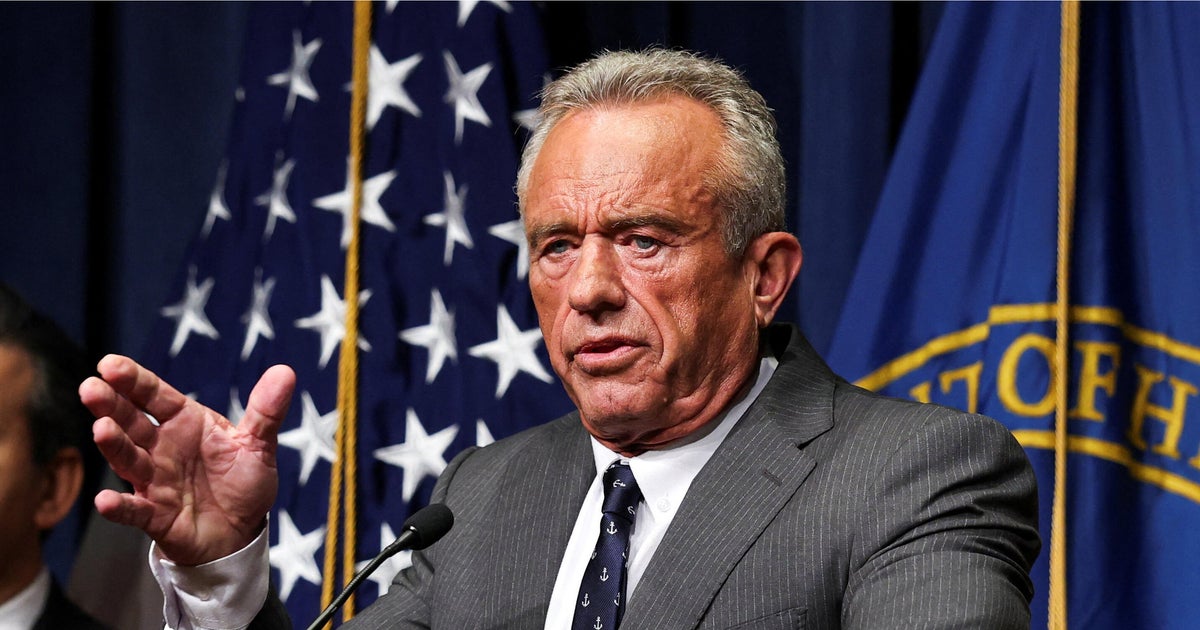
In a significant policy shift that has shaken the national health landscape, the federal government under Secretary of Health and Human Services Robert F. Kennedy Jr. has announced the termination of approximately $500 million in vaccine development projects that employ mRNA technology. This decision affects 22 projects that were backed by the Biomedical Advanced Research and Development Authority (BARDA). Many of these canceled initiatives were focused on developing vaccines for COVID-19 and influenza, industries that had seen substantial mRNA applications due to their capabilities of rapid development and effectiveness demonstrated during the COVID-19 pandemic.
Publicly disclosed on a Tuesday, Secretary Kennedy revealed through an HHS statement and subsequent online posts that this critical evaluation and termination of the mRNA vaccine projects occurred over the previous weeks. Well-known pharmaceutical companies such as Pfizer, Sanofi Pasteur, and others had their ongoing vaccine developments impacted; this also included a specific cessation of an awarded contract to Moderna meant for the research of a potential H5N1 (bird flu) vaccine.
When Moderna was contacted, a spokesperson acknowledged the earlier cancellation of the H5N1 contract in May but expressed unawareness regarding any recent termination under the new decision from HHS. As these decisions unfold, the underlying rationale provided by Secretary Kennedy highlights a pivotal move away from mRNA vaccine research, at least in the context of respiratory viruses. mRNA technology, which instructs the body to create proteins that trigger antibody production, has seen a meteoritic rise in interest and application, especially underscored by its success during the COVID-19 outbreak facilitated by Pfizer’s and Moderna’s vaccines. Despite these successes, Secretary Kennedy defended the government’s decision by pointing out the limitations of mRNA vaccines when facing highly mutable viruses. He used the example of coronavirus mutations to underline his concerns; a singular mutation could potentially render mRNA vaccines ineffective, posing substantial risks against the perceived benefits.
This decision has not gone unchallenged. Prominent figures and medical experts have voiced serious concerns, and even former President Trump, under whose administration the innovative Operation Warp Speed catalyzed the rapid development and distribution of mRNA COVID vaccines, responded to inquiries with a reflective yet forward-looking tone. Trump praised the past efforts but hinted at ongoing discussions geared towards newer medical challenges.
Former Surgeon General during Trump’s presidency, Jerome Adams, expressed deep disapproval on social media, stressing the life-saving potential of mRNA technology that extends well beyond their use in vaccines. This sentiment was echoed by numerous health experts, including Dr. Paul Offit and Dr. Michael Osterholm, who criticized the decision for not being scientifically backed and potentially jeopardizing public health preparedness, respectively.
Political reaction has been equally swift and decisive. Senator Bill Cassidy from Louisiana lamented the decision as not only unfortunate but also a strategic error that could potentially concede crucial technological ground to international competitors like China. His concerns resonate with a broader apprehension about America’s readiness and response capability against future pandemics.
Experts have repeatedly pointed out that one of the significant advantages of mRNA vaccines is their rapid adaptability, which could be crucial in countering quickly mutating viruses. The technology’s capability to revise vaccine compositions in relatively shorter periods compared to traditional methods is seen as a critical asset in modern pandemic preparedness, a lesson underscored by the recent global health crisis.
Secretary Kennedy, however, has emphasized that the withdrawal from these mRNA projects would redirect funds towards exploring other “safer, broader vaccine platforms” capable of remaining effective despite potential virus mutations. He reassured that HHS remains committed to supporting effective vaccine options for every American.
This development forms yet another chapter in Secretary Kennedy’s controversial legacy regarding vaccine policy, marked by skepticism and decisive shifts in public health strategies. His tenure has seen significant shifts in CDC recommendations and advisory committee compositions, reflecting a broader and highly debated approach towards managing the nation’s health defense mechanisms. As these changes unfold, the medical, political, and public health landscapes continue to grapple with the implications of these shifts, which could reshape America’s approach to vaccinations and pandemic readiness for years to come.