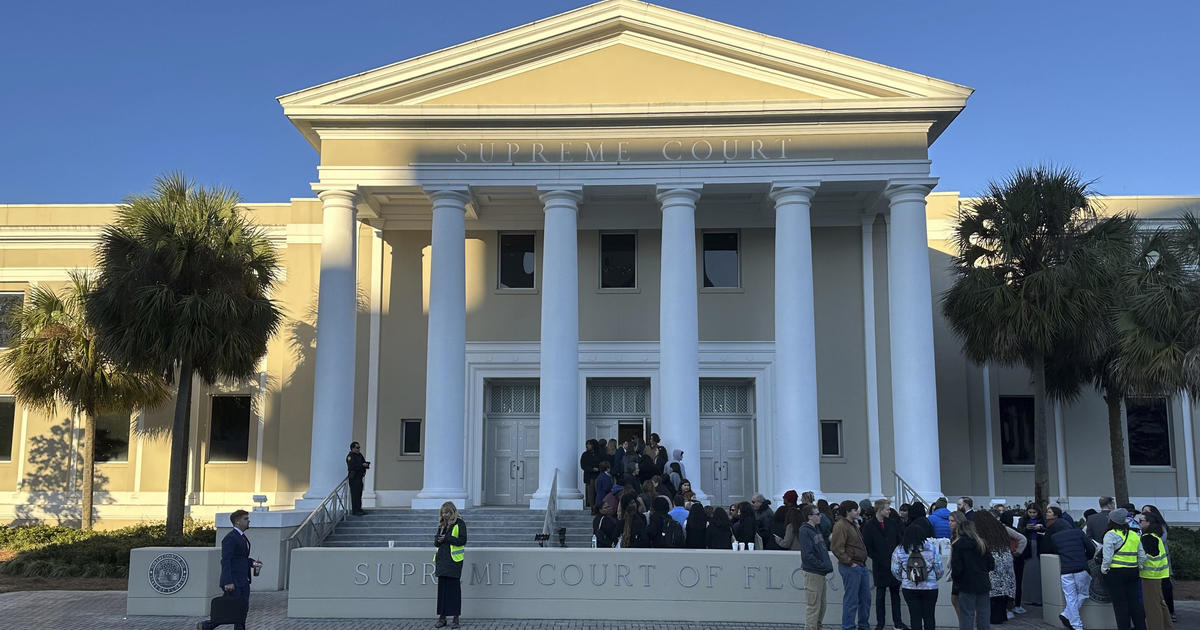
The Florida Supreme Court recently ruled in favor of a state constitutional amendment that would limit government intervention in abortion procedures across Florida. This amendment will appear on the ballots this November as Amendment 4. The amendment would allow abortions before viability, but it would still require parents to be notified if a minor has an abortion. The pro-abortion rights ballot initiative was introduced by Floridians Protecting Freedoms, a statewide campaign that believes all Floridians deserve the freedom to make personal medical decisions, including about abortion, free of government intrusion.
The Florida Supreme Court’s ruling also upheld Florida’s 15-week abortion ban. This means that while the state will allow abortion before viability if Amendment 4 is passed, there are still restrictions in place regarding the timeline of when abortions can be performed. The court issued these rulings in a pair of out-of-calendar opinions, deviating from their usual schedule of releasing decisions on Thursdays. Amendment 4 will require 60% support to pass, making it a significant challenge for the supporters of the initiative.
Florida Attorney General Ashley Moody had argued against the proposed amendment, specifically taking issue with the term “viability” in the ballot initiative. In a brief filed to the court in November, Moody stated that there is no single formally recognized clinical definition of viability. However, lawyers representing Floridians Protecting Freedoms argued that the term “viability” is not ambiguous and that voters understand what it means in the context of an abortion. This debate over terminology highlights the complexities surrounding abortion legislation and the importance of clear and precise language when drafting such measures.
This ruling by the Florida Supreme Court is part of the ongoing battle over abortion rights in the state and across the country. Abortion remains a deeply divisive issue, with strong opinions on both sides of the debate. Supporters of abortion rights argue for personal autonomy and healthcare access, while opponents often cite moral or religious reasons for restricting or banning abortion. The upcoming November elections will be a crucial moment for Floridians to voice their opinions on this issue through their support or rejection of Amendment 4.
Overall, the Florida Supreme Court’s ruling on Amendment 4 represents a significant development in the ongoing conversation about abortion rights in the state. With the amendment set to appear on the November ballots, Floridians will have the opportunity to directly shape the future of abortion legislation in their state. The debates and legal challenges surrounding abortion are likely to continue, reflecting the deep-seated ideological and political divisions that characterize this issue in American society.