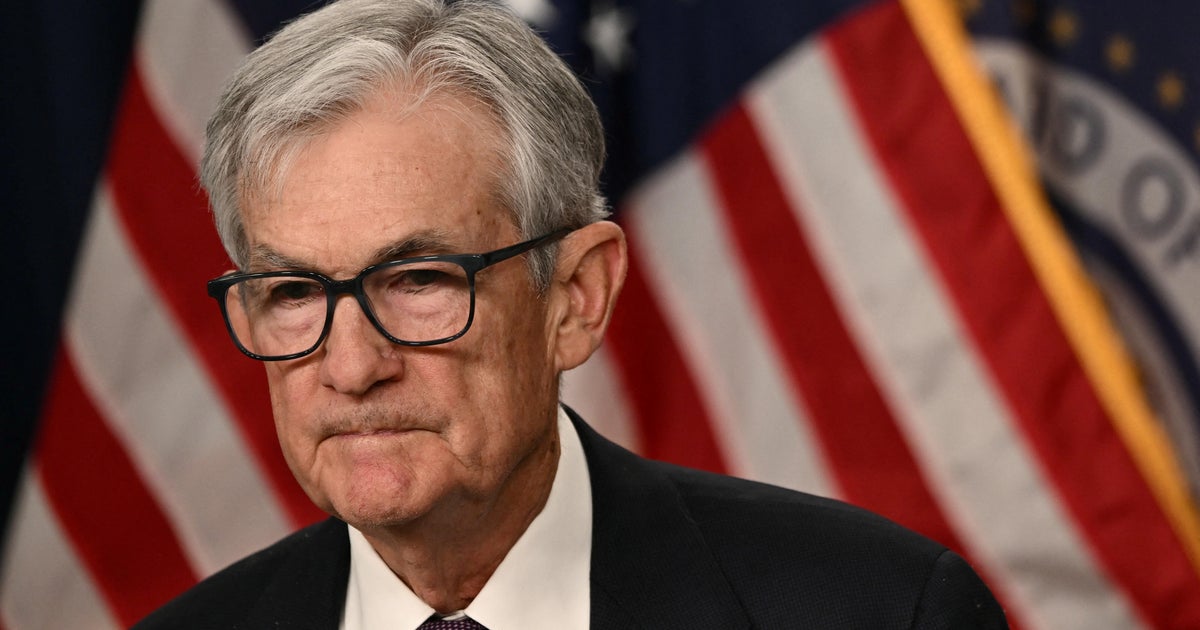
Jerome Powell’s tenure as chairman of the Federal Reserve is a chapter marked by resilience and controversial challenges. Guiding the central bank through crises ranging from the COVID-19 pandemic to the highest inflation rates seen in four decades, Powell’s period at the helm concludes as he steps down after an eventful eight years.
Appointed by President Donald Trump in February 2018, Powell succeeded Janet Yellen. Initially praised by Trump for his wisdom and leadership capabilities, the rapport soured as Powell began increasing interest rates in 2018. Such measures were aimed at curbing an overheating economy, but they received significant pushback from Trump, who shifted from commendation to criticism. As Powell instituted higher rates, Trump’s displeasure was voiced through derogatory remarks, calling Powell a “numbskull” and “complete moron,” especially when the economy took a downturn.
Despite these pressures, Powell’s leadership saw the Fed through an economic landscape marred by unprecedented challenges. According to over a dozen economists interviewed by CBS News, his pragmatic approach was crucial during these turbulent times. The onset of the COVID-19 pandemic plunged the U.S. into a sharp recession, the intensity of which hadn’t been seen in recent history, with unemployment levels soaring close to 15%. Powell responded by convening emergency Federal Open Market Committee meetings in March 2020, where the decision was made to slash the benchmark rate nearly to zero. This was a pivotal move aimed at stabilizing a faltering labor market.
This period also saw Powell working alongside robust fiscal policies, including COVID-era stimulus packages, to reinforce the economy and support American workers. His actions during the pandemic underscored a commitment to labor market health, reflecting the dual mandate of the Federal Reserve which seeks to balance price stability with maximizing employment.
However, not all was smooth sailing. The initial economic shock from the pandemic evolved into severe inflationary pressures by 2021. With consumer prices escalating, Powell was initially hesitant to tighten monetary policy, describing the inflation during this period as “transitory.” This perception delayed interest rate hikes until March 2022, by which time the Consumer Price Index had skyrocketed to an annual rate of 8.5%. Economists pointed to this as a significant misstep, arguing that earlier action might have mitigated the severity of inflation that ensued.
Despite these criticisms, Powell’s term was not devoid of strategic successes. By 2022, as inflation reached a 40-year high and economic analysts feared the onset of a recession, Powell managed what has been termed a ‘soft landing.’ This involved incrementally increasing interest rates to rein in inflation without triggering a rise in unemployment, which could have plunged the economy into deeper trouble. The economy managed to grow; inflation rates began to fall, and the jobless rate decreased to a 50-year low—a notable outcome given the precariousness of the situation.
When it came to the Federal Reserve’s independence, Powell remained a steadfast guardian. His tenure was continually tested by legal challenges and intense criticism from the Trump administration, particularly concerning decisions on interest rates. Powell staunchly defended the Fed’s autonomy, ensuring that it remained a stable and credible institution amidst the fluctuations of political interference.
Now, as Powell hands over the leadership to Kevin Warsh, Trump’s chosen successor, he has opted to stay on as a Federal Reserve governor. This decision, as he noted in an April press conference, stems from concerns that the Federal Reserve still faces significant risks from ongoing legal and political pressures. His continued presence is seen as a move to fortify the institution against such challenges.
Reflecting on Powell’s legacy, economists like David Wessel, a senior fellow at the Brookings Institution, see his tenure as a testament to leadership and integrity. In a time filled with exceptional economic upheavals, Powell’s performance reassured the American public and helped maintain trust in the capability and independence of the Federal Reserve.
As Jerome Powell concludes his term, his influence on monetary policy and his role in ensuring the Federal Reserve’s independence will remain significant. Whether his legacy will be viewed through the lens of his handling of inflation or his defense of the institution’s autonomy is yet to be determined. Nonetheless, his impact on shaping U.S. economic policy in a period marked by great uncertainty and challenge will be a noteworthy chapter in the history of the Federal Reserve.