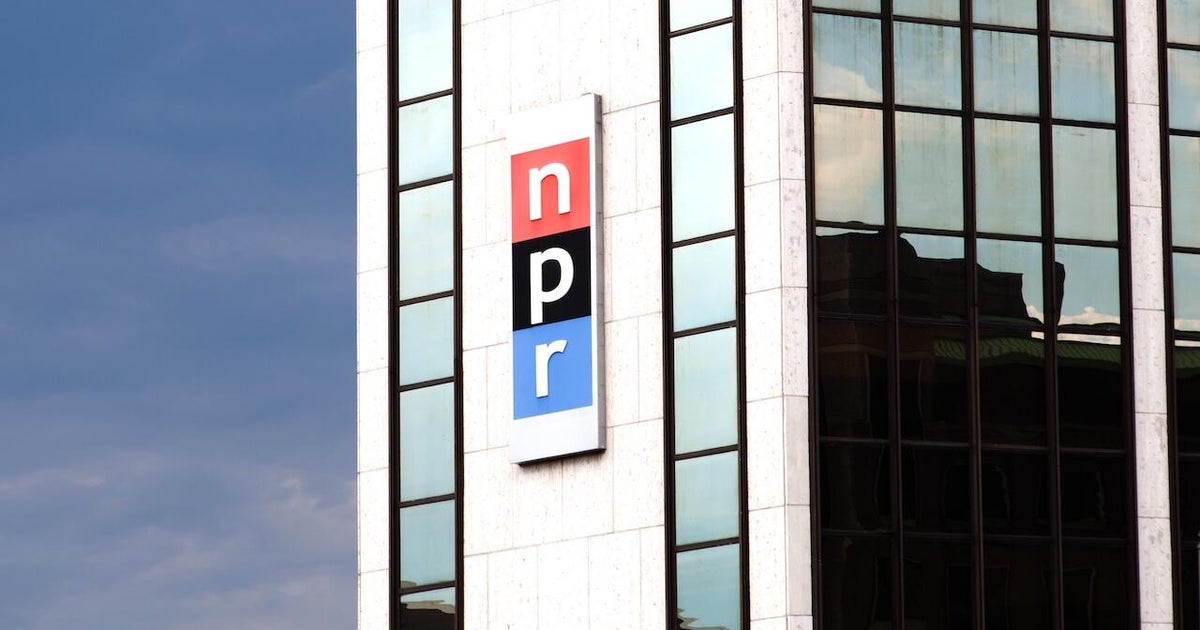
In a significant legal development from Washington, U.S. District Judge Randolph Moss issued a ruling against an executive order signed by President Trump that sought to eliminate federal funding for National Public Radio (NPR) and the Public Broadcasting Service (PBS). This executive order was deemed a violation of the First Amendment, according to the judge’s decision, because it appeared to punish the news outlets for their editorial content, which the President has frequently criticized.
President Trump’s order, issued in May, explicitly directed all federal agencies to halt funding to NPR and PBS, a move that reflected the administration’s ongoing dissatisfaction with what it perceived as “left-wing” media bias. Judge Moss, in his comprehensive 62-page legal opinion, underscored the fundamental First Amendment conflict, stating that “The message is clear: NPR and PBS need not apply for any federal benefit because the President disapproves of their ‘left wing’ coverage of the news.”
This ruling shines a light on the ever-contentious issue of freedom of the press, particularly in situations where governmental power intersects with media operations that are critical of that same government. The cancellation of federal grants, as directed by the executive order, targeted NPR and PBS specifically for their news coverage, which the President has characterized as unfairly favorable towards Democrats and critical of his administration.
The court’s decision permanently prevents the Trump administration from enforcing the order. Essentially, Judge Moss’ ruling interpreted the executive order as retaliation against protected speech, which he expressed in no uncertain terms violates the constitutional rights guaranteed to free speech under the First Amendment. This viewpoint discrimination, the judge noted, “does not tolerate” such blatant attempts to suppress media voices through wielding the power of funding.
In response to this judicial intervention, Ted Boutrous, representing NPR, heralded the decision as a significant victory for free speech and journalistic independence. “As the court expressly recognized, the First Amendment draws a line, which the government may not cross, at efforts to use government power — including the power of the purse — ‘to punish or suppress disfavored expression’ by others. The Executive Order crossed that line,” Boutrous said. This sentiment resonates with longstanding principles that guard against governmental overreach into the editorial independence of media entities.
Conversely, White House spokeswoman Abigail Jackson sharply criticized the court’s decision. She branded the ruling as “ridiculous” and an overreach by an “activist judge,” while maintaining that NPR and PBS are not entitled to taxpayer-funded support, citing legislative measures that purportedly reflected Congress’ intent to defund these entities. Her statement reflects the administration’s firm stance on this issue and anticipates a hopeful overturn of the ruling in higher courts.
The backdrop to this legal challenge includes previous actions by Congress and the Trump administration that had already set the stage for financial cutbacks to public broadcasting. Notably, a legislative package signed into law by President Trump had rescinded approximately $1 billion allocated to the Corporation for Public Broadcasting for the fiscal years 2026 and 2027, leading to a significant downsizing indicated by the Corporation’s winding down of operations.
The lawsuit against the Trump administration was initiated by NPR and PBS in late May, shortly after the executive order was signed. Court documents revealed that various federal departments, including the National Endowment for the Arts and the Department of Education, had begun to withdraw grants and other financial support to these organizations, raising urgent constitutional questions addressed in this lawsuit.
Judge Moss’s meticulous examination of the executive order concluded that it was an unprecedented act of viewpoint discrimination. He argued that rather than regulating or ensuring compliance with federal programs in a neutral and objective manner, the order specifically targeted two recognized media entities based on their perceived editorial stances and past critical coverage of the administration. By doing so, it set a dangerous precedent where federal support could be contingent upon favorable coverage – a clear violation of the fundamental principle that underpins the freedom of press in America.
This ruling not only blocks the specific provisions of this executive order but also sets a broader legal precedent emphasizing the protection of news outlets from governmental retaliation. The decision firmly situates the freedom of the press as a cornerstone of American democracy that must not be infringed upon by any branch of government. As the case continues to garner attention, it highlights the ongoing debates surrounding media freedom, governmental authority, and the intricate balance between the two.