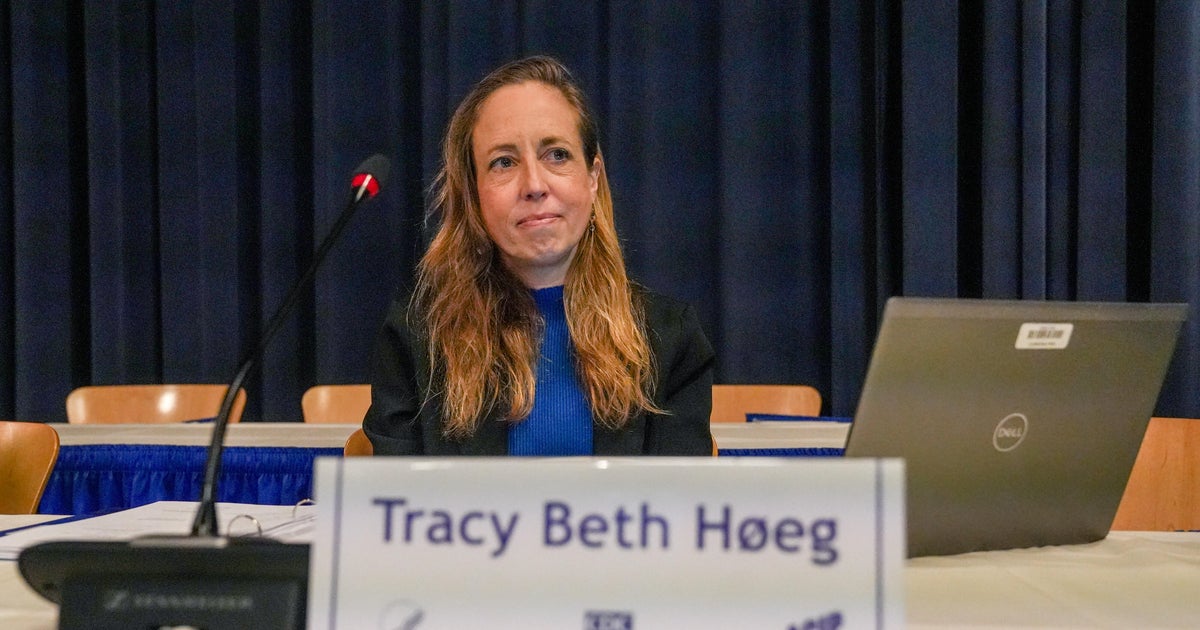
FDA Leadership Exodus: Dr. Tracy Beth Høeg Departs Amidst Agency Tensions
The Food and Drug Administration (FDA) has been facing a succession of high-level departures, the latest being the exit of Dr. Tracy Beth Høeg, the acting director of the FDA’s Center for Drug Evaluation and Research (CDER). This position is crucial as it oversees the regulation of both prescription and over-the-counter drugs. Dr. Høeg’s departure was confirmed by a senior official within the FDA, and the news first broke via CBS News.
Dr. Høeg had only been in her role since December but was already a pivotal figure within the agency, having previously served as an advisor to the former FDA Commissioner Dr. Marty Makary. During her short tenure, she was responsible for reviewing applications for new drugs—a vital role that directly impacts public health and safety.
Her exit from the FDA was surrounded by intrigue when Dr. Høeg disclosed on social media that she had been fired, though further elaboration on the reasons was not provided. On her social media account, she expressed profound gratitude for the opportunity to serve the country, stating, “I’m incredibly grateful to have had this opportunity to serve this country & proud of the work we did.” She also praised the FDA staff for their talent and supportiveness but lamented that they often do not receive the recognition they deserve.
The exact circumstances or the immediacy behind her termination have not been clearly discussed in the public domain. A spokesperson from the Health and Human Services, which oversees the FDA, did not respond immediately to requests for comment regarding Dr. Høeg’s sudden departure.
This top-level change comes hot on the heels of several others within the agency, suggesting a period of significant unrest at the FDA. Only three days before Dr. Høeg’s announcement, Dr. Marty Makary resigned as FDA commissioner amidst a series of reports concerning internal disagreements within the agency. Notably, these tensions were partly due to conflicting views on the approval of flavored e-cigarettes, a decision Dr. Makary reportedly opposed but was overruled by other administrative figures.
Another noteworthy departure from the FDA last month was Dr. Vinay Prasad, the former head of the office responsible for vaccine approvals. His exit further underscores the ongoing turbulence within the agency.
Dr. Høeg’s leadership at the CDER had been contentious from the start. Her appointment initially caused alarm among senior FDA officials and drew criticism due to her previous positions on vaccines. CBS News had reported that she co-authored a memo last year which linked several children’s deaths to the COVID-19 vaccine, a claim for which she did not provide supporting data. Additionally, she was involved in a controversial initiative aiming to reduce the number of vaccines recommended for children.
Critics within the agency expressed severe reservations about her appointment. One source compared her placement at the helm of CDER to “dropping an atom bomb,” indicating profound concerns about her influence on vaccine policy and overall drug approval processes.
Despite the controversies, Dr. Høeg has recognized the effectiveness of certain vaccines, such as the measles vaccine. Upon her confirmation, she asserted her commitment to “transparency, honesty, and decisions based on rigorous science,” aiming to ensure that significant changes within the CDER occurred efficiently and responsibly.
The ongoing leadership changes at the FDA pose critical questions about the direction of the agency, especially in times when public health decisions are incredibly pivotal. How the FDA navigates these executive shifts will be crucial in maintaining public trust and efficacy in its role as the primary regulator of drugs and vaccines in the United States.
As stakeholders and the public alike watch these developments unfold, the ultimate impact of these administrative changes on drug approval processes and vaccine safety continues to hang in the balance. With public health at stake, the continuity and consistency of the FDA’s regulatory actions are more important than ever. The future steps the FDA takes to stabilize its leadership and reassure its stakeholders will be telling of the agency’s resilience and dedication to its mission of protecting public health.