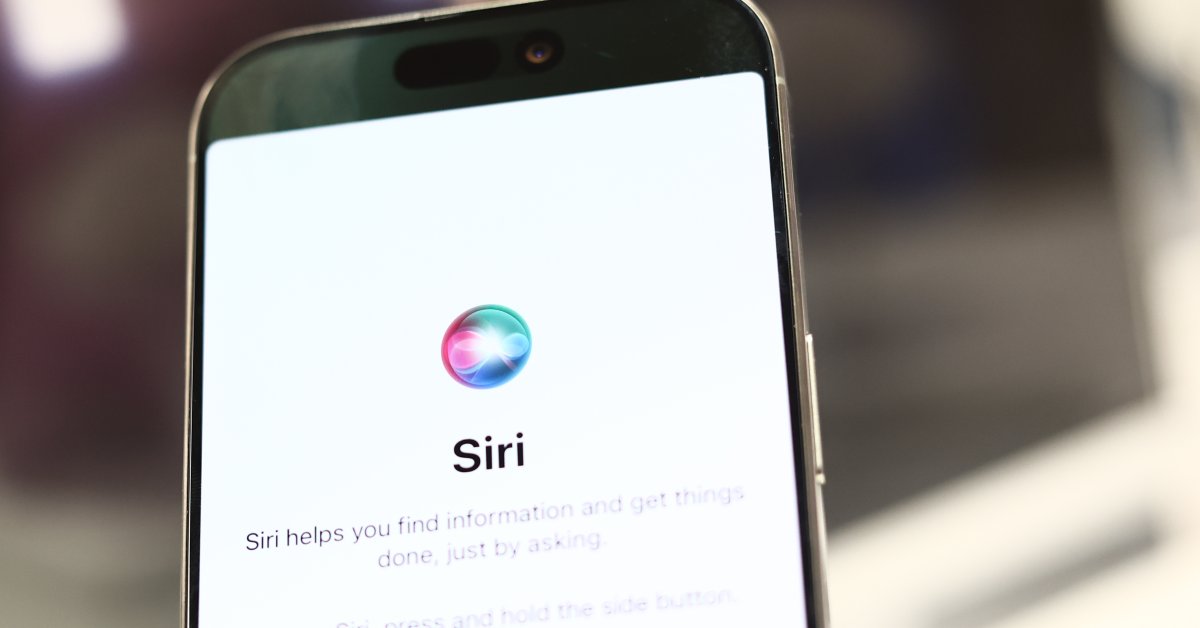
Apple has agreed to pay $95 million to settle a lawsuit that accused the company of using its virtual assistant Siri to eavesdrop on users of its iPhone and other devices. The lawsuit, filed in a federal court in Oakland, California, alleged that Apple activated Siri to record conversations without users’ knowledge, even when the trigger words “Hey, Siri” were not used. Some of these recordings were then shared with advertisers in an attempt to target consumers with specific products and services.
The allegations of Siri’s snooping behavior contradicted Apple’s reputation for prioritizing user privacy, which CEO Tim Cook has emphasized as a core value of the company. The settlement does not require Apple to admit any wrongdoing, but it will need to be approved by U.S. District Judge Jeffrey White. A court hearing is scheduled for February 14th in Oakland to review the terms of the settlement.
If approved, consumers who owned iPhones and other Apple devices between September 17, 2014, and the end of 2020 will be eligible to file claims. Each consumer could receive up to $20 per device covered by the settlement, with the potential for adjustments depending on the volume of claims. It is estimated that only 3% to 5% of eligible consumers will actually file claims, according to court documents. Eligible consumers will be limited to seeking compensation for a maximum of five devices.
The $95 million settlement is a small portion of Apple’s profits, which total around $705 billion since September 2014. It is also significantly less than the approximately $1.5 billion that the plaintiffs were seeking in damages. The settlement highlights the ongoing tension between tech companies’ data collection practices and consumer privacy concerns, as well as the challenges of holding these companies accountable for potential violations.
Overall, the settlement between Apple and the plaintiffs in the Siri eavesdropping lawsuit reflects a compromise that allows affected consumers to seek compensation while avoiding a lengthy and costly legal battle. The outcome underscores the importance of transparency and accountability in the tech industry, particularly when it comes to protecting user privacy in the age of virtual assistants and smart devices. As technology continues to evolve, it will be crucial for companies like Apple to prioritize privacy protections and ensure that user data is handled responsibly.