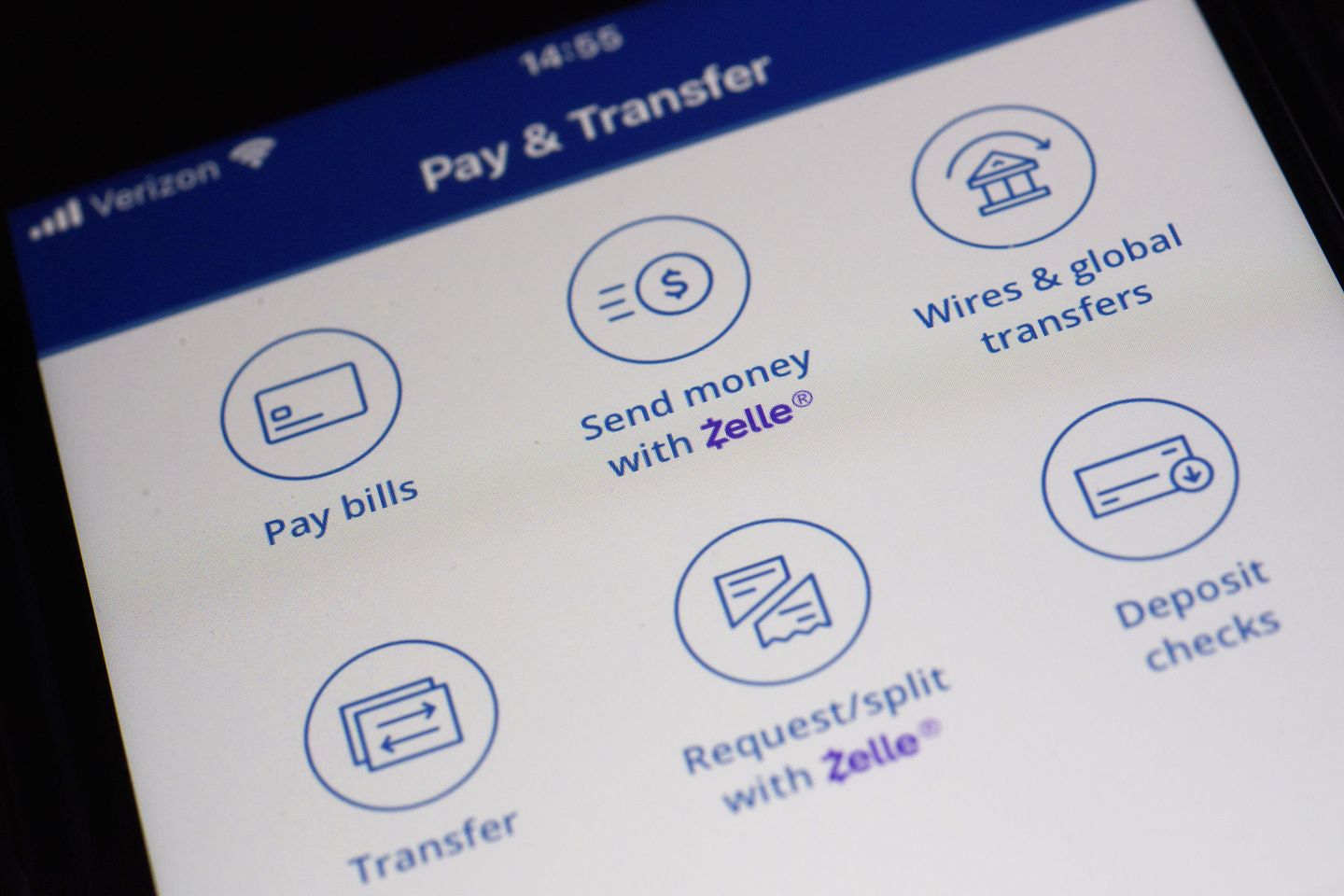
The Consumer Financial Protection Bureau (CFPB) filed a lawsuit against three of the largest banks in the United States – JPMorgan Chase, Wells Fargo, and Bank of America – alleging that they did not take adequate measures to protect their customers from fraud on the Zelle payments network. The lawsuit, which was filed on Friday, accuses the banks of violating consumer financial laws by failing to prevent fraudulent transactions that left hundreds of thousands of consumers vulnerable to financial losses.
Zelle is a popular digital payments platform that allows users to send and receive money quickly and easily using their mobile devices. It is used by millions of consumers across the country for a variety of purposes, including splitting bills, paying rent, and sending money to friends and family. However, the CFPB’s lawsuit alleges that the banks did not do enough to protect their customers from fraudsters who exploited vulnerabilities in the Zelle system to steal money from unsuspecting victims.
According to the lawsuit, the banks failed to implement adequate security measures to prevent fraudulent transactions on the Zelle network. This allowed scammers to use stolen login credentials and other personal information to transfer funds out of victims’ accounts without their knowledge or consent. In some cases, consumers reported losing thousands of dollars to fraudsters who had gained access to their Zelle accounts through various means, including phishing scams and malware attacks.
The CFPB’s lawsuit accuses the banks of engaging in unfair and deceptive practices by failing to adequately disclose the risks associated with using Zelle for money transfers. The agency claims that the banks misled consumers into believing that their funds were safe and secure when, in reality, the lack of proper security protocols made it easy for fraudsters to exploit vulnerabilities in the system. The lawsuit seeks to hold the banks accountable for their alleged violations of consumer financial laws and to provide restitution to affected consumers who have suffered financial losses as a result of fraudulent transactions on the Zelle network.
In response to the lawsuit, representatives from JPMorgan Chase, Wells Fargo, and Bank of America have all issued statements denying the allegations and defending their handling of security on the Zelle platform. The banks have emphasized that they take the security of their customers’ accounts seriously and have implemented a variety of measures to protect against fraud, including multi-factor authentication, transaction monitoring, and fraud detection systems. However, the CFPB’s lawsuit alleges that these efforts were not sufficient to prevent widespread fraud on the Zelle network and that the banks should have done more to safeguard their customers’ funds.
The lawsuit marks the latest in a series of legal challenges facing the banking industry over its handling of digital payments and financial transactions. In recent years, regulators have raised concerns about the security of popular payment platforms like Zelle and Venmo, which have become increasingly popular among consumers for their convenience and ease of use. The CFPB’s lawsuit against JPMorgan Chase, Wells Fargo, and Bank of America is likely to reignite the debate over the responsibility of banks to protect their customers from fraud and to ensure the security of their financial information in an increasingly digital world.
As the case moves forward in the courts, consumers are advised to take precautions to protect themselves from fraud on digital payment platforms like Zelle. This includes setting up strong passwords, enabling two-factor authentication, monitoring account activity regularly, and being cautious about sharing personal information online. By taking these steps, consumers can reduce their risk of falling victim to fraudsters and safeguard their hard-earned money from unauthorized transactions.
In conclusion, the CFPB’s lawsuit against JPMorgan Chase, Wells Fargo, and Bank of America highlights the growing concerns about the security of digital payment platforms and the responsibility of banks to protect their customers from fraud. The outcome of the case will have far-reaching implications for the banking industry and could lead to changes in the way financial institutions handle digital transactions in the future. Consumers are urged to stay vigilant and take steps to protect themselves from fraud on platforms like Zelle to avoid becoming victims of financial scams.