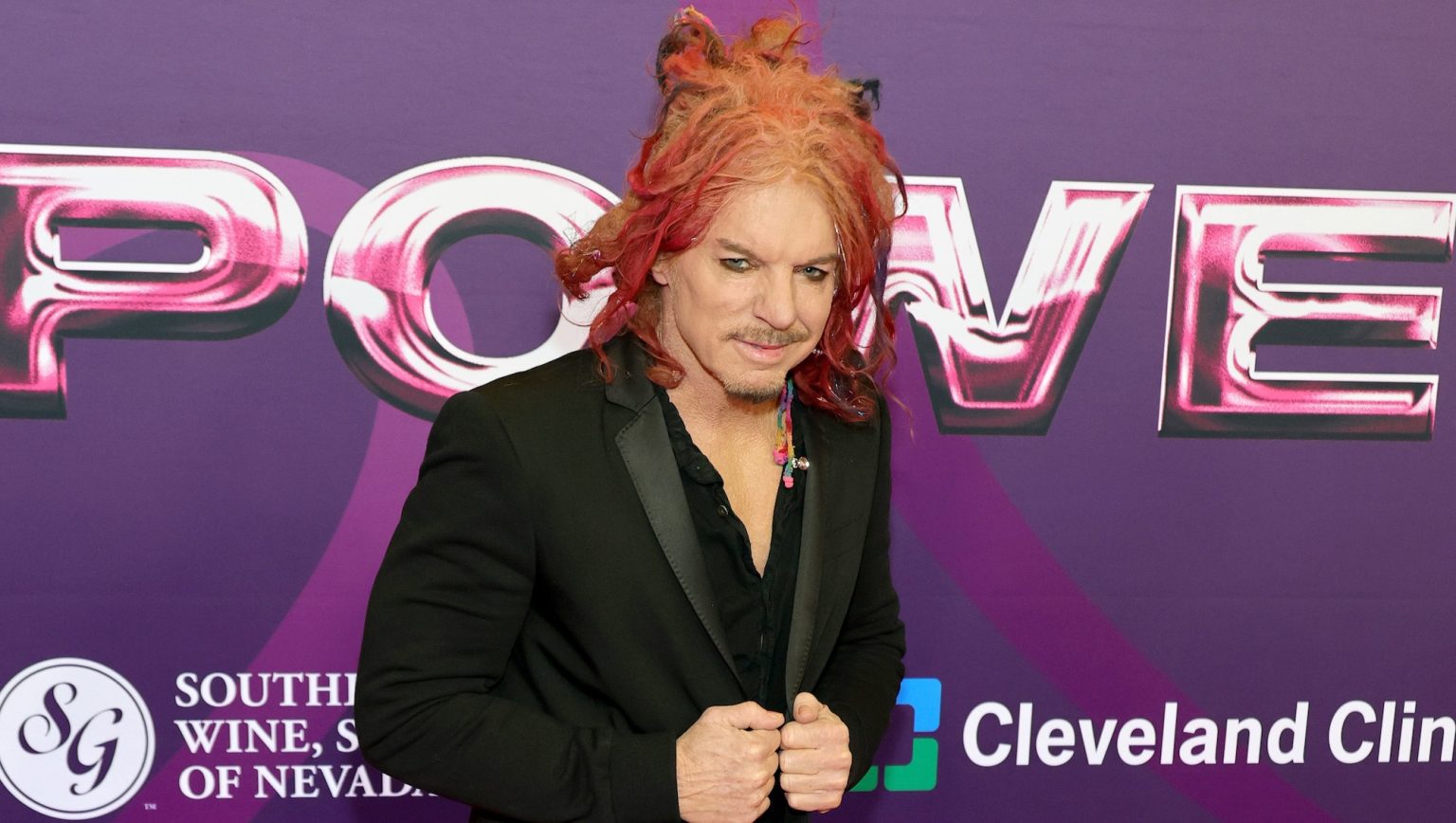
In a triumphant and deeply emotional return, Scott “Carrot Top” Thompson stepped back onto the stage of his Las Vegas residency at the Luxor Hotel on Monday, October 19, just one month after being hospitalized following what was widely reported as a suicide attempt. The 61-year-old stand-up comedian and prop comedy icon was met with a sustained standing ovation from an audience that seemed eager to show their love and support. Footage shared on social media by the blog Vital Vegas captured the moment, with the crowd cheering and applauding before Thompson could even begin his set.
“Thank you so much. God bless all my fans and my family, my mom, my brother, everybody here tonight,” Thompson said, visibly moved by the reception. Then, ever the comedian, he added: “I would have done this a long time ago if I could get this kind of love.” The line drew laughs and more applause, breaking the tension and signaling that the performer was ready to reclaim the stage he has called home for years.
Thompson acknowledged the emotional weight of the evening. “It’s an emotional night for everybody,” he shared. “It’s been a rough month. Trying to figure out what is appropriate for a night like tonight.” He repeated the thought: “It’s been a month of trying to figure out what’s appropriate.” Then, in a moment that was both startling and quintessentially Carrot Top, he pulled out a noose and joked, “So I figured this would probably not be appropriate.” The audience reacted with a mix of gasps and nervous laughter, and Thompson continued, “I don’t know what to talk about. My first time in my career, I have no idea. What is there to talk about really?” At that exact moment, a photo of an elephant wearing a red, curly wig appeared on the screen behind him, drawing laughter and applause.
The lighthearted prop was a reminder of the comedian’s signature style, and it helped diffuse the intensity of the moment. The Vital Vegas blog, which first shared the clip on X on Monday night, praised Thompson’s handling of his return. “Following an extended ovation, Carrot Top handled his return to the stage with grace, humility and a smidge of irreverent humor. Pitch perfect,” the post read.
Thompson’s return to the stage came less than 48 hours after he broke his silence publicly for the first time since his hospitalization. On Saturday, October 17, he took to Instagram to thank his fans and well-wishers. “I’m truly overwhelmed by the outpouring of love, support, prayers, and well wishes I’ve received over the past couple of weeks,” he wrote. “Every message, text, and kind thought has meant more to me than you know.” He continued: “While I haven’t been able to respond to everyone individually, please know that I’ve felt your love and appreciate each and every one of you from the bottom of my heart. Thank you for being there for me during this time. It truly means the world to me.” The post marked the first time the comedian had addressed the public since the events of mid-September.
For context, Thompson was hospitalized in Las Vegas on September 18 after canceling a scheduled performance at the Luxor. The cancelation and subsequent hospitalization immediately sparked concern among fans, friends, and fellow comedians. At the time, his representative Jami Schlicher released a statement to TheWrap: “Mr. Thompson is recovering in the hospital and is receiving the care and support he needs. His family and those closest to him are deeply grateful for the concern, prayers and respectfully ask for privacy.” Two days later, Schlicher provided an update to Entertainment Weekly, saying, “Scott remains hospitalized and under close medical care. He is now awake, breathing on his own and continuing to improve, surrounded by his family and those closest to him.”
During that difficult period, messages of support poured in from across the entertainment industry. One notable voice was Brad Garrett, the Everybody Loves Raymond alum and longtime friend of Thompson. On September 19, Garrett shared a photo with Thompson on Instagram and wrote, “Oh my beautiful, talented friend @carrottoplive. We’re ALL thanking our lucky stars that you’re OK.” The public support from fellow comedians underscored the close-knit nature of the comedy community and the affection many feel for Thompson, who has spent decades making audiences laugh with his energetic performances and elaborate trunk full of props.
Born Scott Thompson, Carrot Top became one of the most recognizable figures in American comedy thanks to his distinctive red hair, his self-deprecating humor, and his unique brand of prop comedy. He began his career in the late 1980s and rose to prominence through appearances on talk shows and comedy specials, but it was his Las Vegas residency that made him a household name. For years, he has been a fixture on the Strip, and his long-running show at the Luxor has been one of the city’s most durable comedy attractions. The residency has allowed him to cultivate a devoted following of tourists and locals alike, many of whom return to see him again and again.
His return on Monday was therefore not just a personal milestone; it was a significant moment in Las Vegas entertainment history. The standing ovation he received was a testament to the bond between the comedian and his audience. It was also a sign of hope for fans who had been worried about the 61-year-old performer after weeks of silence. In an industry where performers often feel pressure to smile through pain, Thompson’s decision to return to the stage so soon after such a traumatic event was both brave and emblematic of his dedication to his craft.
The comedian’s remarks about struggling to find the right tone for the evening were telling. An artist who has built a career on zany props and rapid-fire jokes suddenly found himself in uncharted territory, unsure of how to balance the serious nature of the past month with the expectations of a comedy show. His decision to address the elephant in the room—literally, by projecting an image of an elephant in a curly red wig—was a clever way to acknowledge the awkwardness while also giving the audience permission to laugh. It was classic Carrot Top: irreverent, surprising, and perfectly timed.
While Thompson’s representative has not provided further details about the incident or his ongoing treatment, the fact that he was able to resume his residency and deliver a performance suggests that he is on a path to recovery. His return to the Luxor stage also sends a powerful message about resilience and the importance of seeking help in times of crisis. The comedian has not spoken publicly about the specifics of his hospitalization, and it remains a private matter for him and his family.
As news of his return spread, fans and colleagues took to social media to express their relief and admiration. Many noted that Thompson’s ability to joke about his situation, even while acknowledging the pain, showed a strength that would resonate with anyone who has faced mental health challenges. Others praised the audience for giving him the warm reception he deserved, noting that the moment was a reminder of why live entertainment matters.
The original reports of Thompson’s hospitalization included the standard disclaimer that if you or someone you know is struggling or in crisis, help is available. That message bears repeating: call or text 988, or chat at 988lifeline.org. Mental health crises can affect anyone, regardless of fame or success, and the outpouring of support for Thompson during his ordeal has helped shine a light on the importance of compassion and community.
In the days ahead, Thompson is expected to continue his Las Vegas residency schedule, and his fans will no doubt be watching with renewed appreciation. The comedian who once filled his shows with exploding suitcases and talking props has now demonstrated a different kind of stage presence: one marked by vulnerability, honesty, and an unshakeable commitment to making people laugh. As he said himself, it was an emotional night for everybody. But it was also a triumphant one.
For the comedy community and for Las Vegas, Carrot Top’s return was more than just a scheduled performance. It was a celebration of survival, a reaffirmation of the bond between performer and audience, and a reminder that even in the darkest moments, laughter can be a lifeline. The standing ovation he received was not only for the jokes he was about to deliver; it was for his courage in showing up, for his willingness to be open about the rough month he had endured, and for the simple, profound act of returning to the place where he has always felt at home.
As the evening concluded and the applause finally subsided, Thompson stood on stage, taking it all in. The rough month was far from forgotten, but for that hour or more, he was exactly where he belonged—in front of an audience, doing what he has done better than almost anyone else for decades. “Thank you so much,” he had said at the start, and the words seemed to carry more weight than ever before.